

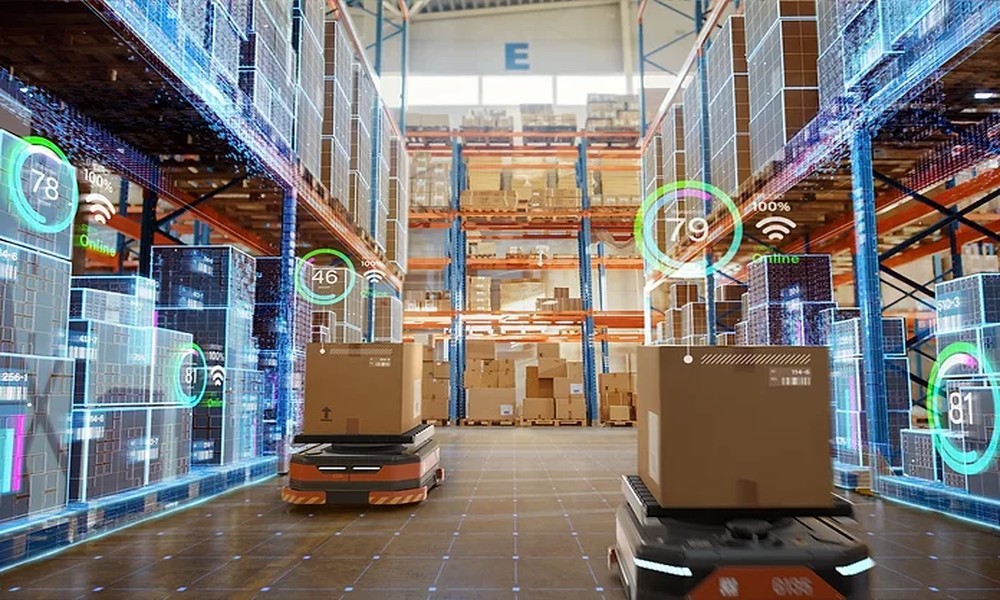
Warehouse operations have changed significantly over the past decade. Rising order volumes, faster delivery expectations, and growing product variety have pushed facilities to adopt structured digital tools. Manual tracking methods that once worked for smaller inventories often struggle to keep pace with large-scale storage environments. This shift has encouraged many businesses to explore warehouse automation softwareto improve accuracy and operational speed.
Automation does more than reduce manual work. It creates connected workflows where inventory movement, order tracking, and stock visibility are managed through integrated systems. With better visibility, warehouse teams can respond faster to demand changes and reduce costly errors.
Why Warehouses Need Automation
Growing inventory volumes make manual record-keeping increasingly difficult. Misplaced stock, delayed updates, and inconsistent records can slow down operations and affect customer satisfaction.
Modern Warehouse Automation Solutions help simplify routine processes and improve consistency across warehouse tasks.
Common challenges automation helps address:
- Manual data entry errors
- Slow inventory tracking
- Difficulty locating stored items
- Delayed order processing
- Limited visibility into stock levels
When automation tools handle repetitive tasks, warehouse staff can focus on activities that require human judgment, such as quality checks and coordination.
Facilities using structured systems often report improved operational flow and reduced downtime.
Key Functions of Automation Systems
Automation platforms are designed to handle multiple warehouse activities within a unified interface. This integration improves coordination between departments and reduces workflow interruptions.
Core functions typically supported by automation tools:
- Real-time inventory tracking
- Barcode or RFID-based item identification
- Automated stock updates
- Order picking and packing guidance
- Shipment tracking and reporting
Implementing Smart Warehouse Solutions helps reduce dependency on paper-based records and scattered digital tools.
Centralized data storage also improves reporting accuracy. Managers can monitor stock movement trends and make better inventory decisions based on reliable insights.
These systems create smoother workflows, especially in warehouses handling large product volumes.
Manual vs Automated Warehouses
Understanding the difference between traditional and automated operations helps businesses evaluate the benefits of adopting technology-driven systems.
| Operation Factor | Manual Warehouse | Automated Warehouse |
| Inventory Tracking | Manual entry | Real-time updates |
| Order Processing | Slower | Faster |
| Error Rate | Higher | Lower |
| Workforce Effort | High physical workload | Reduced manual handling |
| Data Visibility | Limited | Centralized reporting |
Businesses adopting Warehouse Automation Software often notice improvements in order of accuracy and delivery timelines.
Reduced manual dependency also minimizes operational bottlenecks that occur during peak demand periods.
Benefits of Smart Warehouse Systems
Automation does not replace human roles entirely. Instead, it supports staff by reducing repetitive workloads and improving workplace efficiency.
Organizations implementing Smart Warehouse Solutions often experience measurable performance improvements.
Benefits commonly observed after automation adoption:
- Faster order fulfillment cycles
- Reduced inventory discrepancies
- Improved storage space utilization
- Better demand forecasting accuracy
- Enhanced customer satisfaction
These improvements contribute to smoother operations and improved reliability across supply chain activities.
Another advantage involves scalability. Automated systems can adapt to expanding inventory volumes without requiring complete operational redesign.
Factors to Consider Before Implementation
Introducing automation requires careful planning. Not every facility needs the same level of automation, so system selection should align with operational goals.
Important factors to review before implementing solutions:
- Warehouse size and layout: larger facilities often benefit more from automation.
- Inventory volume: High product movement increases automation value.
- Integration capability: Compatibility with existing systems improves efficiency.
- Staff training needs: Proper training ensures smooth system adoption.
- Budget planning: Initial investment should align with long-term operational goals.
Organizations that assess these factors thoroughly often achieve better results from Warehouse Automation Solutions.
Gradual implementation also helps teams adapt to new workflows without disrupting ongoing operations.
Building Future-Ready Warehouses
Warehouse operations continue evolving as businesses expand distribution networks and manage higher order volumes. Structured tools such as warehouse automation software, integrated tracking systems, and optimized workflows support consistent performance across storage facilities. As industries continue to prioritize faster deliveries and accurate inventory management, adopting scalable technologies becomes an essential step toward operational reliability. Integrating advanced systems alongside broader Industrial Automation Solutions helps warehouses improve efficiency, maintain accuracy, and support long-term growth in increasingly competitive supply chains.