

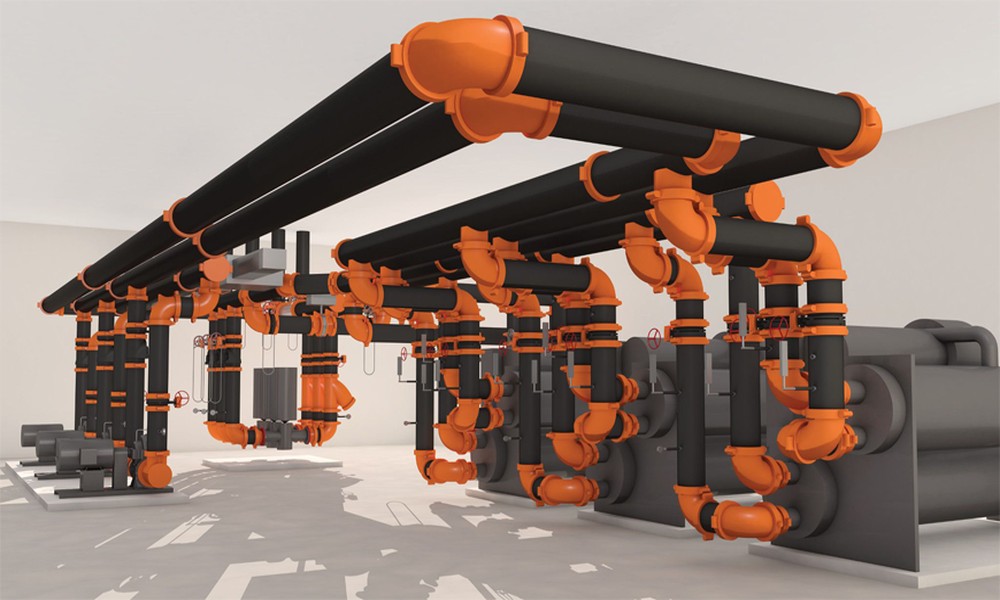
In today’s industrial landscape, piping systems must deliver more than just functionality-they must ensure speed, safety, flexibility, and long-term reliability. From manufacturing plants to water treatment facilities and construction projects, the method used to join pipes plays a critical role in overall system performance. One solution that has consistently proven its value is the use of Victaulic couplings.
Engineered for efficiency and designed with safety in mind, Victaulic couplings have transformed how modern piping systems are installed and maintained. This guide explores how they work, why they are widely used, and how you can maximize their benefits in your projects.
What Are Victaulic Couplings?
Victaulic couplings are mechanical pipe joining systems that connect pipes using grooved ends. Instead of traditional methods like welding, threading, or flanging, the pipe ends are grooved, and a coupling housing is placed around them with a gasket inside. Bolts and nuts are tightened to secure the joint, creating a reliable and leak-resistant connection.
This design not only simplifies installation but also introduces flexibility into the piping system, allowing it to adapt to movement and stress.
Why Victaulic Couplings Improve Efficiency
Faster Installation
One of the most significant advantages of Victaulic couplings is the speed of installation. Unlike welding, which requires skilled labor, preparation, and safety measures, couplings can be installed quickly with basic tools. This reduces project timelines and labor costs.
Reduced Downtime
In industrial environments, downtime can be extremely costly. Victaulic couplings allow for quick assembly and disassembly, making maintenance and repairs faster and more efficient.
Lower Labor Requirements
Because installation is straightforward, fewer highly specialized workers are needed. This makes project planning easier and more cost-effective.
Adaptability to Complex Systems
Victaulic couplings can be used in a wide range of applications and configurations, making them suitable for complex piping systems where flexibility is essential.
Enhancing Safety in Industrial Piping
Elimination of Hot Work
Traditional welding involves high temperatures and potential fire hazards. Victaulic couplings eliminate the need for hot work, significantly improving safety on site.
Leak Prevention
The gasket within the coupling provides a tight seal, reducing the risk of leaks. This is especially important when handling hazardous or high-pressure fluids.
Controlled Flexibility
Flexible couplings allow movement due to vibration, thermal expansion, or ground shifts. This reduces stress on pipes and minimizes the risk of failure.
Safer Maintenance
Quick disassembly allows for safer inspection and maintenance without extensive system shutdowns or hazardous procedures.
Key Components of a Victaulic Coupling System
Understanding the components helps ensure proper installation and performance.
The Housing: The outer casing that holds the connection together.
The Gasket: Provides sealing and is selected based on fluid type, temperature, and pressure.
Bolts and Nuts: Secure the coupling and apply the necessary pressure.
Grooved Pipe Ends: Precisely prepared pipe ends that ensure a proper fit within the coupling.
Each component must be correctly selected and installed to achieve optimal results.
Types of Victaulic Couplings
Rigid Couplings
These provide a firm connection with minimal movement, ideal for systems where alignment and stability are critical.
Flexible Couplings
Designed to allow angular deflection and movement, these are suitable for systems exposed to vibration or thermal expansion.
Reducing Couplings
Used to connect pipes of different diameters while maintaining a secure joint.
Specialty Couplings
Engineered for specific conditions such as high pressure, corrosive environments, or unique industrial requirements.
Best Practices for Maximum Performance
Ensure Proper Grooving
Accurate grooving of pipe ends is essential for a secure fit and leak-free operation.
Select the Right Gasket
Choose gasket materials based on the fluid, temperature, and pressure conditions to ensure durability.
Tighten Evenly
Uniform tightening of bolts ensures consistent pressure and prevents damage or leaks.
Plan for Movement
Take advantage of flexible couplings in areas where vibration or expansion is expected.
Train Your Team
Proper training improves installation speed, accuracy, and safety.
Common Mistakes to Avoid
Using incorrect gasket materials can lead to premature failure.
Improper grooving may result in weak joints or leaks.
Over-tightening bolts can damage components and reduce effectiveness.
Ignoring routine inspections can lead to long-term system issues.
Conclusion
Victaulic couplings offer a modern, efficient, and safe solution for industrial piping systems. By replacing traditional joining methods with a faster and more flexible approach, they help reduce costs, improve safety, and enhance system reliability.
Whether you are designing a new system or upgrading an existing one, understanding and implementing Victaulic couplings can significantly improve your project outcomes. With the right practices and attention to detail, you can maximize both efficiency and safety in every stage of your piping operations.