

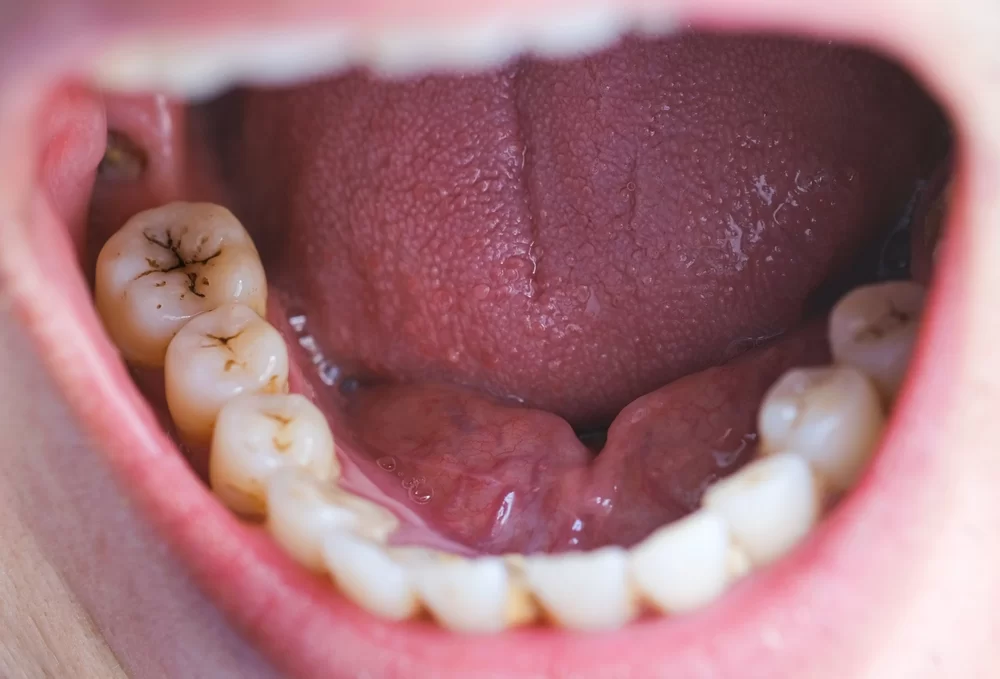
Tooth decaying happens because of microorganisms from food particles wearing down the enamel that protects the tooth. Tooth decay creates holes in teeth, popularly known as cavities. A dentist must treat the cavity. They cannot go away on their own. They are treated by cleaning and filling the affected tooth. Tooth decay affects people of every age group. Children are susceptible to it due to their frequent consumption of sweet an sugary foods.
The tooth decay in the child’s front teeth is the worst, and it eventually moves to the back teeth. Many older adults have receding gums. This allows oral bacteria that cause decay to enter into the tooth’s root. The exposed root surfaces of these teeth are vulnerable to decay. Contact Alpine Dental Center for more info.
Stages of tooth decay
Cavities can impact every layer of your tooth. There are five primary tooth decay stages:
- Demineralization: You will notice small, pale, chalky patches at this age. This indicates necessary minerals in your enamel are being destroyed.
- Enamel decay: If tooth decay is not treated, it will continue to destroy your enamel. At this stage, holes or cavities could show. Spots of white may become light brown in color.
- Dentin decay: Your teeth dentin is located immediately beneath their enamel. It is far more pliable than your enamel. So, cavities form more quickly once plaque and bacteria enter this layer. Teeth sensitivity may become apparent at this point. Your teeth’s spots might also become a deeper shade of brown.
- Pulp damage: The innermost layer of your tooth is called the pulp. It has blood vessels and nerves that carry nutrients and maintain the viability of your tooth. You might experience pain when cavities enter your pulp. The gums surrounding your tooth may also begin to swell and turn red. Your teeth may develop darker brown or black patches.
- Abscessed tooth: An abscess occurs from an untreated cavity that has reached the root of the tooth. A pocket of pus (periapical abscess) develops at the roof of your tooth root as a result of this. One or more of the symptoms could be jaw or facial pain. Additionally, you might experience swelling in your face and neck lymph nodes. A tooth abscess has the potential to spread to other parts of your body and the surrounding tissues at this point. An infection can rarely even spread to the bloodstream or brain (sepsis).