

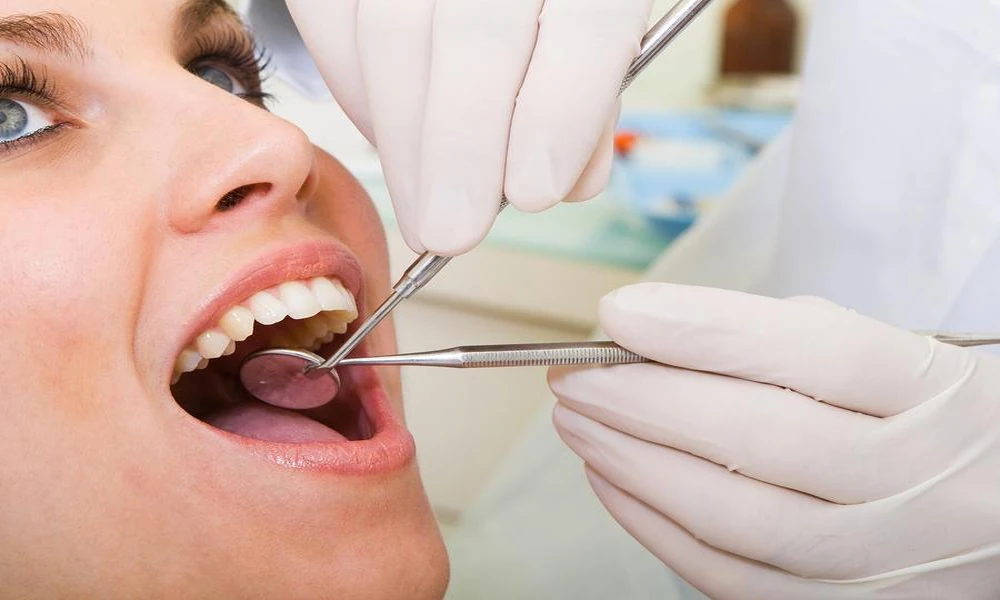
You take care of your smile, you invest in crowns, veneers, bonding, or whitening, and then a small problem shows up where you did not expect it. A little bleeding when you brush. Sensitivity near a crown. Staining around the edge of a veneer. That is the part many people do not see coming. Cosmetic and restorative dental work can look strong and polished on the surface, but it still depends on healthy teeth and gums underneath, which is why seeing a family dentist serving Westchase, Tampa matters.
If you have spent time and money improving your smile, you want that work to last. That is where preventive care matters. Regular cleanings, exams, gum care, and good home habits do more than prevent cavities. They help protect margins, reduce inflammation, catch bite problems early, and lower the risk of damage that can shorten the life of your dental work. The CDC’s oral health guidance makes the connection plain. Oral health affects your comfort, function, and long term well being.
Preventive dental care protects the foundation under crowns, veneers, and fillings
Restorative and cosmetic treatments are not immune to decay. A crown can still fail if the tooth underneath develops a cavity near the edge. A veneer can lose support if gum disease causes recession. Tooth colored fillings can break down faster when plaque sits around them day after day. You may feel frustrated by that, especially if the work still looks good in the mirror.
This is one of the clearest ways preventive dentistry protects cosmetic and restorative work. Professional cleanings remove buildup that brushing misses, especially near gumlines and around older dental work where plaque tends to collect. Routine exams also help your dentist spot tiny changes before they turn into repairs or replacements. A rough margin, a weak contact point, or early decay is much easier to manage when caught early.
Good home care matters just as much. The National Institute of Dental and Craniofacial Research explains basic oral hygiene in simple terms, and the advice holds whether you have natural teeth, cosmetic treatments, or both. Brush twice a day with fluoride toothpaste, clean between teeth daily, and keep up with regular dental visits. That routine protects the work you already paid for.
Healthy gums keep cosmetic dental work looking even and natural
Gums frame your smile. When they are inflamed, swollen, or receding, even beautiful dental work can start to look uneven. You might notice dark spaces near the gumline, exposed margins, or a crown that suddenly seems longer than the neighboring tooth. The issue is often not the restoration itself. It is the tissue around it.
Gum disease information from the CDC shows how common periodontal problems are, and they often progress quietly. Bleeding during brushing, chronic bad breath, tenderness, and gum recession can develop slowly enough that people put them off. That delay can affect both appearance and stability.
Preventive oral care for dental work includes periodontal checks, early treatment for gingivitis, and guidance on brushing and flossing without irritating the tissue. If you have veneers or bonding on your front teeth, this matters even more. Healthy gums keep the edges of that work covered, smooth, and natural looking.
Preventive dentistry helps reduce wear, fractures, and bite stress
Not all damage comes from decay or gum disease. Sometimes the problem is pressure. You clench at night, grind during stressful weeks, or bite harder on one side without realizing it. Over time, that force can chip porcelain, loosen bonding, crack fillings, and strain the teeth supporting a bridge or crown.
A family and cosmetic dentist often catches these patterns during routine visits. Small wear marks, jaw soreness, flattened edges, or repeated breakage tell a story. A night guard, a bite adjustment, or a change in habits can prevent another fracture. This is one of the most overlooked benefits of preventive dentistry. It is not only about stopping disease. It is also about protecting your dental work from daily wear that builds slowly and gets expensive fast.
Think about the common pattern. A patient replaces one chipped veneer, then chips another a year later. The issue may not be the veneer material at all. It may be untreated grinding. Preventive care helps uncover the real cause.
Small maintenance visits usually cost less than replacing damaged dental work
Most people do not avoid dental visits because they do not care. They avoid them because life gets busy, money gets tight, and nothing hurts yet. That makes sense in the moment. The problem is that delayed care tends to cost more later, especially when it affects restorations or cosmetic work.
| Preventive Approach | What It Helps Prevent | Likely Outcome |
|---|---|---|
| Regular exams and cleanings | Plaque buildup, early decay near crowns or fillings | Longer life for existing dental work |
| Gum evaluations | Recession, inflammation, exposed restoration margins | Better appearance and support for cosmetic work |
| Night guard or bite review | Grinding related chips and fractures | Less repair and replacement |
| Daily brushing and flossing | Staining, decay, gum irritation | Cleaner, more stable restorations |
Preventive dental care for crowns and veneers often comes down to simple maintenance done consistently. That is easier on your schedule and your budget than replacing damaged work before its time.
Three practical steps help protect restorative and cosmetic dentistry
Schedule care before something feels urgent. If it has been a while since your last cleaning or exam, start there. Waiting for pain usually means the issue has progressed. Early checks protect both natural teeth and past dental work.
Clean around dental work with intention. Spend extra time near the gumline and between teeth, where plaque collects around crowns, veneers, and fillings. If floss catches or shreds, mention it at your next visit. That can signal a rough edge or open margin.
Pay attention to pressure and small changes. Morning jaw tightness, new sensitivity, bleeding gums, and tiny chips are not random. They are often the first signs that your smile needs support. Catching those signs early can help you avoid bigger repairs.
Your dental work should not have to fail before it gets attention. Preventive care gives restorations and cosmetic treatments the support they need to last, look better, and feel comfortable longer. If you have invested in your smile, protect that investment by staying consistent with a trusted family and cosmetic dentist.