

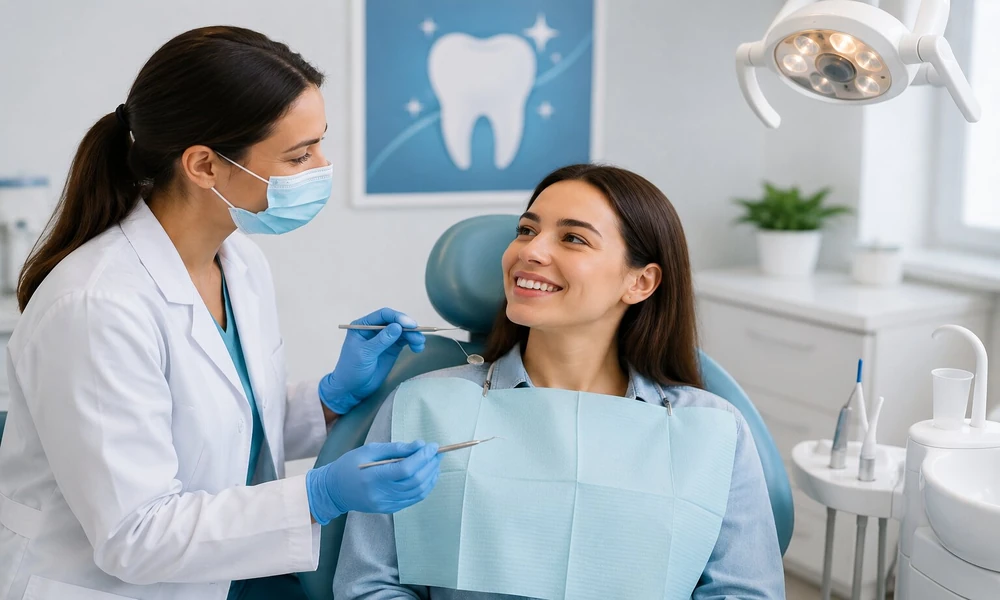
You may have noticed small changes that are easy to brush off at first. Your mouth feels dry at night. Your gums bleed a little when you floss. A tooth that never bothered you now feels sensitive when you drink coffee. Getting older does not mean dental problems are guaranteed, but it does mean some issues show up more often and can become harder to ignore. That is why patient-focused dental care in Evanston can make a meaningful difference.
That can feel frustrating, especially when you have done your best for years and still find yourself dealing with new symptoms. The short version is simple. Aging affects your gums, teeth, saliva, and the way your mouth heals. A general dentist can catch these changes early, help you stay comfortable, and protect your health beyond your smile.
Dry mouth becomes more common and raises the risk of decay
Dry mouth is one of the most common oral changes in older adults. It often starts quietly. You sip water more often. Food sticks to your teeth. Dentures feel less comfortable. You may even notice bad breath that does not go away. Saliva does more than keep your mouth comfortable. It helps wash away food, balance acids, and protect teeth from cavities.
Many people assume dry mouth is just part of aging, but medicines are often a major cause. Blood pressure drugs, antihistamines, antidepressants, and many other prescriptions can reduce saliva flow. The National Institute on Aging offers practical guidance on taking care of your teeth and mouth, including ways to manage dryness and keep your mouth healthier day to day.
When dry mouth is ignored, cavities can form fast, especially along the gumline and around older dental work. You may not feel pain until the damage is advanced. That is why regular exams matter so much as you age.
Gum disease can progress with few warning signs
Gum disease often sneaks up on people. Your gums may look a little red, feel tender, or bleed when you brush, but there may be very little pain. That is part of what makes it risky. You can lose bone support around your teeth long before you realize anything serious is happening.
If you smoke, have diabetes, wear partial dentures, or struggle with arthritis that makes brushing harder, the risk climbs. What starts as mild inflammation can turn into loose teeth, infection, and expensive treatment. The emotional part is real too. Many adults feel embarrassed when they hear they have gum disease, as if it means they failed somehow. It usually means your mouth needs a different level of support now than it did years ago.
The CDC’s selected oral health findings show that oral disease remains common in adults, especially as people get older. That makes prevention and early care more than a cosmetic issue. It is basic health care.
Root decay and worn teeth become easier to miss
As gums recede, the roots of the teeth become more exposed. Root surfaces are softer than enamel, so they decay more easily. Add dry mouth, a history of fillings, or a diet with frequent snacks, and the risk grows. You may not see root decay in the mirror. You may only notice sensitivity or a rough edge near the gumline.
Teeth also wear down over time. Years of grinding, clenching, chewing ice, or using teeth as tools can leave enamel thin and edges chipped. That wear can change your bite, make chewing harder, and lead to cracks. The concern is not just appearance. A cracked or heavily worn tooth can become painful with very little warning.
This is one reason oral health issues in older adults deserve close attention. The damage is often gradual until one day it is not.
Tooth loss and denture problems affect nutrition and comfort
Missing teeth change more than your smile. They can affect speech, chewing, confidence, and the kinds of foods you feel able to eat. Some people start avoiding crisp fruits, vegetables, nuts, or proteins because they are hard to chew. Over time, that can limit nutrition.
Dentures can help, but they come with their own challenges. A denture that fit well a few years ago may now rub, slip, or create sore spots because the shape of your gums and jawbone has changed. You might think you just need to live with it, but pain, poor fit, and trouble chewing are signs that adjustment or replacement may be needed.
Oral cancer risk rises with age and screening matters
Oral cancer becomes more common with age, and early signs are easy to miss. A sore that does not heal, a red or white patch, numbness, pain when swallowing, or a lump in the mouth or neck all deserve attention. Tobacco and alcohol increase risk, but oral cancer can also affect people without those habits.
The National Institute of Dental and Craniofacial Research provides a helpful overview of older adults and oral health, including the need for regular screenings and prompt evaluation of changes that linger.
Daily habits help, but professional care catches what you cannot see
Dental problems with aging often build slowly, which is why home care and professional care work best together.
| Concern | What you can do at home | What a general dentist can do |
|---|---|---|
| Dry mouth | Drink water often, avoid tobacco, use sugar free gum or lozenges if safe for you | Review likely causes, check for decay, suggest products that protect teeth |
| Gum disease | Brush gently twice a day, clean between teeth daily | Measure gum pockets, remove buildup below the gumline, monitor bone loss |
| Root decay | Use fluoride toothpaste, limit frequent sugary snacks and drinks | Find early decay with exams and X rays, treat weak areas before they worsen |
| Denture discomfort | Clean dentures daily, remove them as directed, watch for sore spots | Adjust fit, check tissue health, look for pressure areas or infection |
| Oral cancer concerns | Watch for sores, patches, lumps, or pain that lasts more than two weeks | Perform screening and arrange follow up if an area looks suspicious |
Three steps you can take right away
Track changes instead of dismissing them. If your mouth feels drier, your gums bleed, or a sore spot keeps coming back, write it down. Patterns matter. A symptom that seems minor once can tell a clearer story over a few weeks.
Make your home routine easier to keep. Use a soft toothbrush, fluoride toothpaste, and floss or another cleaner that you can handle comfortably. If arthritis or grip strength is an issue, ask about tools that make brushing easier. Good care only works if it fits your real life.
Schedule regular visits with a general dentist. Age related dental concerns are often treatable when caught early. Exams, cleanings, denture checks, and oral cancer screenings can prevent pain, protect your teeth, and help you avoid bigger costs later.
Protecting your mouth supports your health as you age
Aging brings changes, but it does not mean you have to accept discomfort, tooth loss, or constant dental worry. If something feels off, trust that instinct. Dry mouth, bleeding gums, tooth sensitivity, denture problems, and changes in soft tissue all deserve attention. A general dentist can help you sort out what is normal, what needs treatment, and what steps will keep your mouth working well for years to come.