

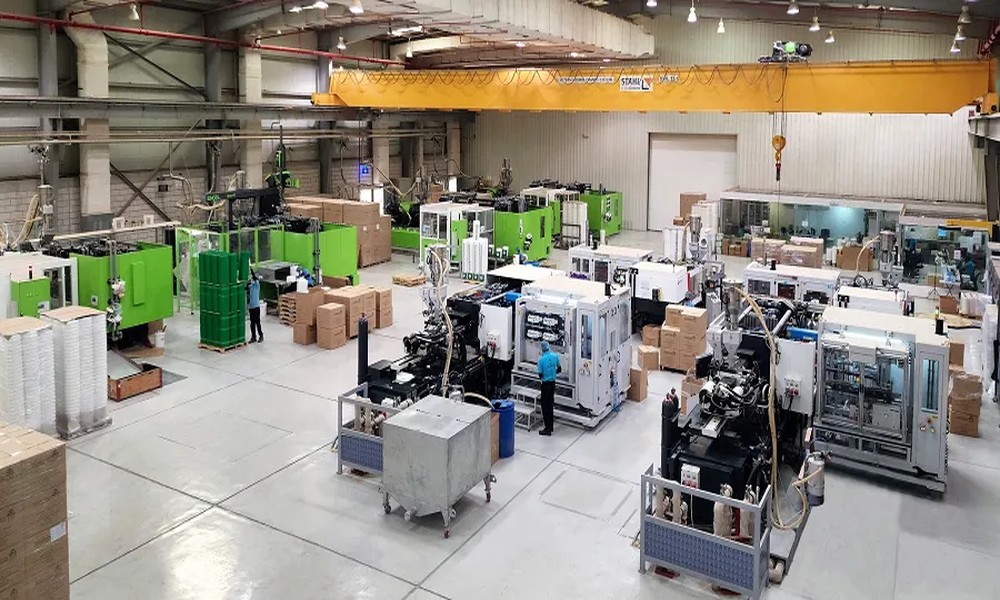
Plastic molding injection companies serving original equipment manufacturers operate within a demanding ecosystem where success depends not merely on producing parts to specification, but on understanding the intricate web of relationships, dependencies, and pressures that define OEM supply chains. These manufacturers occupy a particular position in the industrial landscape, one where they must balance the exacting requirements of brand-name companies against the economic realities of razor-thin margins and relentless cost pressures. The best OEM suppliers navigate this tension by building capabilities that extend beyond basic production, becoming genuine partners in product development and manufacturing rather than mere order-takers executing specifications handed down from engineering departments.
Understanding the OEM Partnership Model
The relationship between OEMs and their injection moulding suppliers differs fundamentally from typical customer-vendor transactions. Original equipment manufacturers don’t simply purchase parts; they entrust suppliers with components that become integral to products bearing the OEM’s brand. This arrangement creates interdependencies where supplier failures become OEM failures, where quality problems damage reputations built over decades, and where delivery delays ripple through complex production schedules affecting thousands of downstream workers.
The best plastic injection molding companies recognise these stakes and structure their operations accordingly. They invest in redundant production capacity, maintaining backup equipment that prevents single points of failure. They implement quality systems that catch problems before defective parts ship. They cultivate engineering expertise enabling collaborative product development rather than passive order fulfilment.
Exceptional suppliers participate in design reviews, identifying manufacturability issues whilst changes remain inexpensive. They maintain transparent communication about capacity constraints, material availability, and potential delivery challenges. They treat OEM intellectual property with appropriate reverence, implementing security protocols protecting confidential designs and proprietary specifications.
Technical Capabilities That Matter
OEM applications typically demand capabilities exceeding those required for simpler contract manufacturing. Products bearing major brand names face scrutiny from consumers, regulators, and competitors watching for any advantage. The components within these products must meet exacting standards.
Critical technical capabilities include:
- Precision tooling producing parts with tight tolerances across millions of cycles
- Process validation documenting that manufacturing methods consistently yield acceptable results
- Advanced material expertise spanning commodity resins through speciality engineering polymers
- Multi-cavity mould capabilities enabling efficient high-volume production
- Secondary operations integration reducing assembly requirements and total system costs
- Cleanroom manufacturing for medical devices, electronics, and other contamination-sensitive applications
Singapore’s plastic molding injection companies have developed particular strength in precision manufacturing and advanced material processing, capabilities that align well with OEM requirements for high-quality components. The nation’s manufacturing infrastructure supports the technical sophistication and quality standards that brand-name companies demand.
Quality Systems and Regulatory Compliance
Original equipment manufacturers operate under regulatory frameworks that cascade down to their suppliers. A medical device OEM requires suppliers with ISO 13485 certification and validated processes meeting applicable standards. Automotive OEMs demand IATF 16949 compliance and production part approval processes. Consumer electronics companies require conflict mineral reporting and environmental compliance documentation.
The finest plastic injection molding suppliers maintain certifications appropriate for the industries they serve. These certifications represent audited, systematic approaches to quality management that OEMs rely upon when qualifying suppliers. Behind the certificates lie documented procedures, training records, measurement systems, and corrective action processes that collectively ensure consistent quality.
Quality systems extend beyond paperwork into shop floor reality. Statistical process control monitors critical parameters continuously. Automated inspection systems verify dimensions and cosmetic quality. Environmental controls maintain temperature and humidity within specified ranges.
Capacity Management and Scalability
OEM relationships often begin with modest volumes during product introduction phases, then scale dramatically if products succeed. The challenge facing injection molding companies involves maintaining flexibility for prototype and pilot production whilst building capacity supporting potential volume growth.
Successful OEM suppliers balance these competing demands through strategic capacity planning. They invest in modular production cells allowing efficient small-batch manufacturing. They maintain relationships with equipment suppliers enabling rapid capacity expansion. They cultivate workforce skills supporting both prototype flexibility and production efficiency.
Risk Management and Business Continuity
Original equipment manufacturers increasingly scrutinise supplier business continuity capabilities. What happens if fire damages a production facility? How quickly can operations resume after equipment failure? Can suppliers maintain production during labour disputes or natural disasters?
Leading plastic molding injection suppliers develop formal business continuity plans addressing these scenarios. They maintain qualified alternate suppliers for critical materials. They back up tooling drawings and process documentation. They implement fire suppression systems and preventive maintenance programmes reducing disaster probabilities.
Geographic diversification provides another risk mitigation strategy. Singapore’s plastic injection molding companies benefit from the nation’s political stability, robust infrastructure, and favourable business environment, factors that reduce various operational risks whilst providing access to regional and global markets.
The Economics of OEM Relationships
Price matters in OEM sourcing, yet total cost considerations extend beyond piece price. Defective parts generate warranty costs, customer dissatisfaction, and brand damage worth multiples of the component cost. Late deliveries halt production lines employing hundreds of workers. Design problems discovered in manufacturing require expensive tooling modifications.
The smartest OEM buyers recognise that the cheapest quoted price rarely represents the lowest total cost. They evaluate suppliers holistically, considering quality capabilities, engineering support, delivery reliability, and financial stability. They build relationships with manufacturers offering genuine value rather than chasing minimal initial pricing.
Finding True Partners
Identifying the best Plastic molding injection companies for OEM manufacturing requires looking beyond technical specifications and price quotes to evaluate organisational culture, operational discipline, and commitment to genuine partnership, recognising that successful OEM relationships depend on aligned incentives and mutual respect rather than contractual obligations alone.