

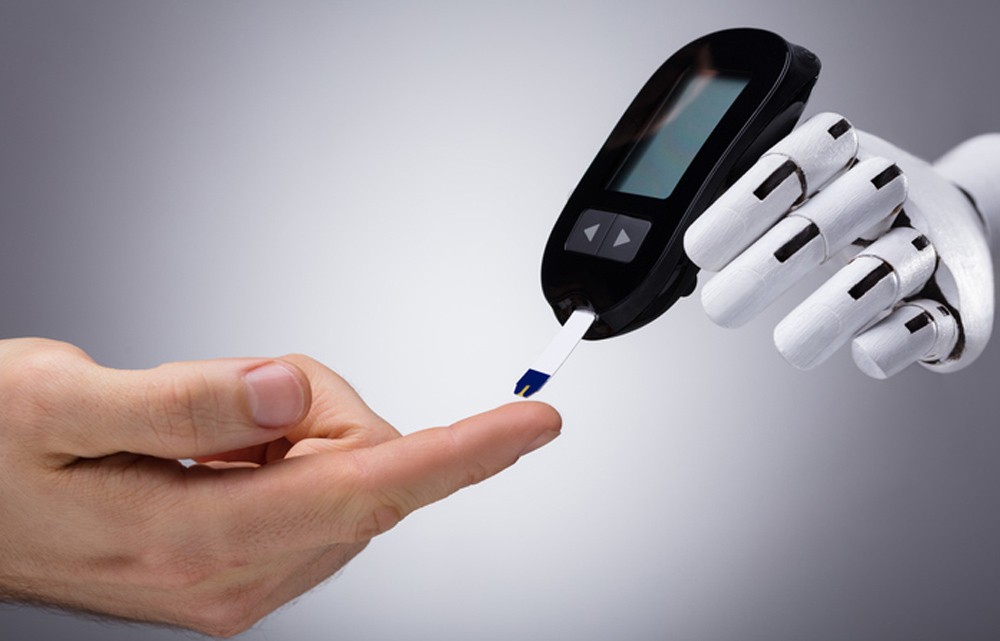
Managing diabetes involves countless daily decisions. What if AI could turn the data behind those decisions into personalized, actionable guidance? Joe Kiani, founder of Masimo and Willow Laboratories, is dedicated to making health technology more accessible and effective. His work focuses on AI-powered platforms that support people with diabetes, offering practical, real-time insights that help them make informed decisions for long-term health.
This technology doesn’t just collect numbers. It makes them meaningful. By focusing on relevance rather than volume, AI helps users understand how each data point influences their health decisions, turning information into intuitive and impactful support.
Turning Daily Tracking into Action
Millions of people track aspects of their health every day, including meals, exercise, glucose levels, and sleep quality. But data alone doesn’t lead to better outcomes. It’s the context that matters. AI systems take these separate pieces and find connections. A slight drop in energy in the afternoon might be linked to a short night’s sleep. A spike in glucose after a certain lunch might not appear for hours. These connections are hard to spot manually, but AI finds them quickly and consistently.
Once patterns are identified, the system can offer suggestions. These might be a reminder to hydrate, a prompt to adjust portion size, or a gentle nudge to pause before a second serving. Over time, the system learns what works and continues to tailor its guidance. The result is a more useful way to respond to real life by knowing, not by guessing.
Adapting to Each User’s Experience
Diabetes management isn’t the same for everyone. Some need to adjust insulin doses regularly, while others focus more on lifestyle and food choices. AI allows for this variety by learning from each person’s habits, responses, and preferences. If a person tends to walk after dinner and that helps stabilize their glucose levels, the system takes note. If sleep interruptions cause blood sugar to dip, that information is integrated into future suggestions.
The goal is not to create a perfect routine. It’s to create one that fits. AI helps recognize what’s realistic for the individual and adjusts its recommendations to reflect that. It helps people feel understood and supported, not pressured. Over time, the system becomes a kind of guide, helping the user stay steady even as life shifts around them.
Closing Gaps Between Appointments
One of the biggest challenges in chronic care is what happens between visits. People may see their doctor every few months, but symptoms, questions and decisions come up daily. AI helps bridge that gap with ongoing feedback. Rather than waiting for the next check-up, users receive insights at the moment. That might mean adjusting activity based on energy levels or managing meals based on recent trends.
These insights don’t replace medical care. They complement it. When users arrive at appointments, they can bring more accurate information and clearer questions. And between visits, they feel less alone in managing their care. This support makes it easier to stay on track, even when schedules get busy or routines get disrupted.
Making Feedback Easy to Understand
One of AI’s strengths is its ability to simplify complexity. Glucose patterns, sleep quality, and activity levels can all be hard to interpret. AI helps by offering summaries, trends and practical suggestions that are easy to apply. Instead of analyzing charts, users might receive a short message about what’s working or a gentle suggestion to shift a habit. The tone is supportive, not clinical.
Clear language and visual cues help users take action without second-guessing. Because feedback is based on their data, it feels relevant, not generic. When people can understand what’s happening and what to do about it, they’re more likely to make consistent, confident choices.
Supporting Long-Term Habits with Everyday Prompts
Managing diabetes isn’t about big changes at all. It’s about making steady, informed choices every day. AI supports this by offering small prompts that reinforce good habits. These might include reminders to check in on mood, a note about improved sleep, or encouragement after a week of balanced glucose levels. These touches aren’t just about numbers. They’re about helping the user stay connected to their progress.
Some systems include coaching features that help people set goals, reflect on habits, or adjust routines. Others focus on helping the user respond in real-time when something feels off. Together, these features create a sense of partnership. Users are reminded that they’re not managing their care alone. They have guidance that fits into their lifestyle and grows with them.
Designed With the User in Mind
To be truly useful, AI-powered platforms must be designed with clarity and care. That means simple interfaces, flexible settings, and tools that are easy to understand from the beginning. People living with diabetes don’t need more complexity. They need tools that make daily care easier, not harder.
Privacy and transparency are also essential. Users must trust that their information is handled securely and that their data is being used to support, not judge, their decisions. When platforms are built with empathy, users feel respected. And when they feel respected, they’re more likely to stay engaged.
Nutu™ is a digital health platform developed by Willow Laboratories, designed to make meaningful, long-term health improvements. Joe Kiani, Masimo founder, says, “What’s unique about Nutu is that it’s meant to create small changes that will lead to sustainable, lifelong positive results.” The strength of AI isn’t in offering instant fixes. It’s helping users stay grounded, offering insight, encouragement, and options that support how they live and what they value.
Helping People Make Choices They Can Keep
The goal of personalized diabetes care isn’t perfection. It is consistency. What matters most is helping people make informed decisions they can sustain in real life. With AI-driven support, users gain a clearer understanding of what’s happening in their bodies, why it matters, and how to respond in ways that align with their lifestyle and goals.
By making data useful, these systems give people the tools to manage their conditions with less stress and more clarity. Over time, those small, steady choices lead to better outcomes and stronger confidence.