

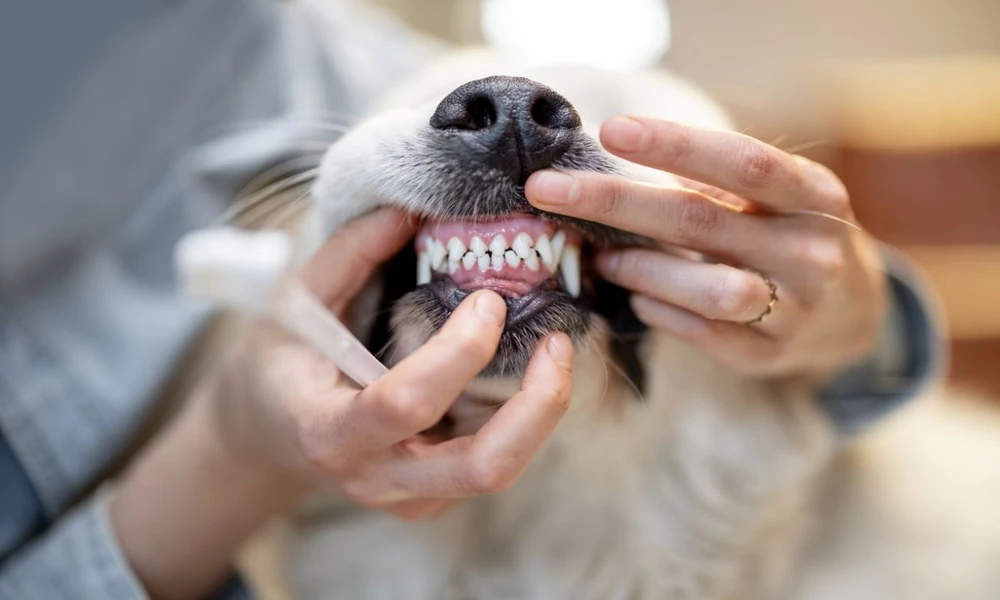
You may not notice dental disease in your pet right away. That is what makes it so frustrating. Your dog still wags, your cat still eats, and life keeps moving until the bad breath gets hard to ignore or your pet starts dropping food, pawing at the mouth, or pulling away when you touch the face. By then, the problem is often deeper than stained teeth. The importance of dental care in veterinary clinics, including veterinary in Sarasota, comes down to one simple truth. Mouth pain hides well in animals, and untreated dental disease rarely stays small.
Good dental care protects more than teeth. It helps with comfort, appetite, behavior, and long-term health. Regular exams, cleanings, and home care give your pet a better chance of avoiding pain, tooth loss, gum infection, and expensive treatment later.
Veterinary dental care catches pain that pets cannot explain
Pets do not tell you when chewing hurts. They adapt. A dog may keep eating with one side of the mouth. A cat may stop playing with toys but still seem fine. That quiet adjustment is why pet dental care matters so much in a veterinary clinic setting. A trained team can spot signs that are easy to miss at home, including inflamed gums, loose teeth, oral masses, fractures, and infection below the gumline.
According to Texas A&M Veterinary Medicine, dental disease is one of the most common health issues in pets, and it can lead to pain, tooth root damage, and wider health concerns when bacteria and inflammation are left untreated. You can read more in this overview of why pet dental care is important.
The hard part is that many owners do care deeply, and still end up behind. Life gets busy. Brushing a pet’s teeth can feel awkward. Some animals fight it. Some owners assume bad breath is normal. It is common, but it is not normal. That gap between what seems manageable and what is actually happening in the mouth is where dental disease grows.
Dental disease in pets gets more expensive and more painful when it waits
Plaque starts soft. Then it hardens into tartar, irritates the gums, and creates a space where bacteria thrive. Once infection reaches below the gumline, you are no longer dealing with a cosmetic issue. You are dealing with pain, damaged tissue, and sometimes extractions.
This is where people often feel torn. A professional dental cleaning in a veterinary clinic costs money, and anesthesia can sound scary. Waiting feels easier until your pet needs dental X-rays, multiple extractions, antibiotics, pain medication, and follow-up care. The lower cost option at the start often becomes the higher cost option later.
Cornell’s veterinary resources explain that periodontal disease is common in dogs and that home care works best when it is paired with veterinary assessment and treatment. Their guidance on dental disease and home dental care makes that balance clear. Brushing helps. Dental diets and approved chews help. None of those replace a full oral exam and cleaning when disease is already present.
The same pattern shows up in clinics every day. A pet comes in for “bad breath,” and the exam reveals advanced gum disease. Another comes in for picky eating, and the issue is a cracked tooth. A senior pet seems less social, less playful, less patient, and the change turns out to be chronic mouth pain. Once the source is treated, owners often say the same thing. Their pet seems younger again.
Veterinary clinics provide dental treatment that home care cannot replace
Veterinary dental services do more than polish visible teeth. A proper dental visit can include an oral exam, anesthesia for safety and comfort, scaling above and below the gumline, dental X-rays, charting, and treatment of diseased teeth. That matters because much of the damage sits where you cannot see it.
Veterinary dentistry has also become more advanced, with better imaging, better pain control, and more focused treatment planning. Rowan’s report on pet dental health and veterinary dentistry reflects how seriously oral health is now treated across the profession. This is not a luxury add-on in a veterinary clinic. It is part of basic preventive medicine.
| Approach | What It Helps With | Limits |
|---|---|---|
| Daily tooth brushing at home | Reduces plaque, supports gum health, freshens breath | Does not treat existing disease below the gumline |
| Dental chews and approved diets | Helps slow plaque buildup in some pets | Results vary, not enough for moderate or advanced disease |
| Non anesthetic cosmetic cleaning | May remove some visible tartar | Cannot safely clean under the gums or fully assess pain |
| Professional dental care in a veterinary clinic | Exam, X-rays, deep cleaning, diagnosis, treatment | Requires scheduling, cost, and anesthesia planning |
Small steps now make veterinary clinic dental care easier later
Schedule an oral exam before there is a crisis. If your pet has bad breath, red gums, drooling, chewing changes, facial swelling, or visible tartar, book a visit. Even if your pet seems comfortable, an exam gives you a clear baseline and a plan.
Start home dental care at the level your pet can handle. Tooth brushing is the standard, but you do not need a perfect routine on day one. Start with touching the muzzle, then lifting the lip, then using a pet-safe toothpaste. Consistency beats intensity.
Ask for a realistic treatment roadmap. A good veterinary clinic can tell you what needs immediate care, what can wait, and what home care products are actually worth buying. That kind of guidance helps you avoid both panic and guesswork.
The importance of dental care in veterinary clinics shows up in your pet’s daily comfort
Dental health shapes how your pet eats, plays, rests, and interacts with you. When the mouth hurts, the whole day changes. When that pain is treated, the change can be just as clear. You are not overreacting by taking dental concerns seriously. You are paying attention to a part of your pet’s health that affects everything else.
If your pet has signs of dental trouble, make an appointment with a veterinary clinic and get a proper oral exam. Early care is simpler, kinder, and often less expensive than waiting for the problem to force itself into view.