

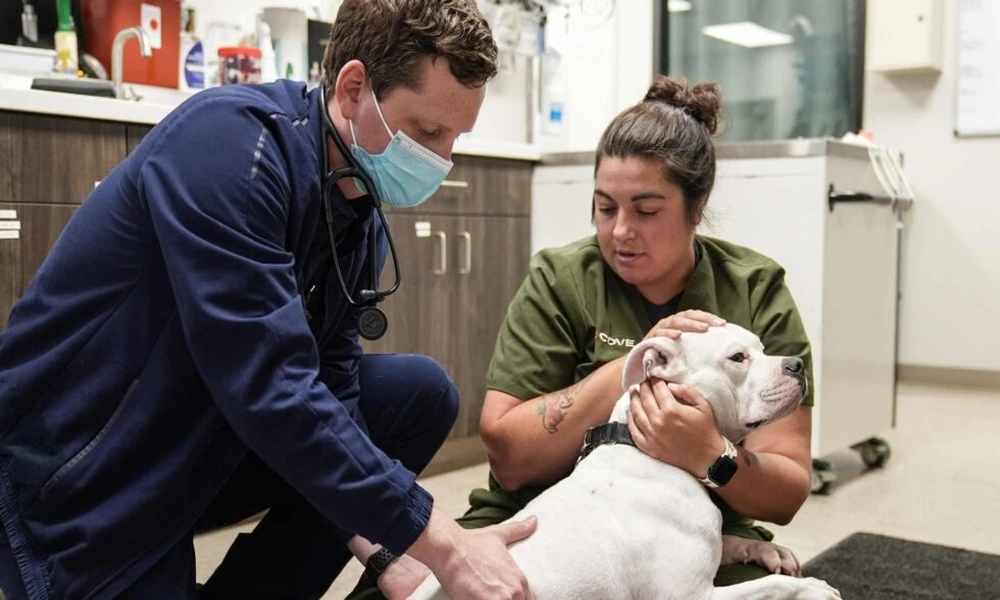
You know the feeling. It is late, your pet is acting strange, and every minute starts to feel heavier than it should. Maybe your dog cannot stop vomiting, your cat is hiding and breathing fast, or your pet ate something you did not see until it was too late. In those moments, waiting until morning does not feel safe, and guessing at home feels worse. While this situation may be unrelated to routine needs like pet dental care in Olympia, it is still important to recognize when your pet needs immediate attention.
That is where 24/7 animal hospital access changes everything. Round-the-clock care gives you a place to go when symptoms turn sudden, when pain gets worse fast, and when your own judgment is clouded by fear. The short version is simple. It can protect your pet’s life, reduce suffering, give you faster answers, and help prevent a bad situation from becoming a crisis.
Immediate treatment at an animal hospital can protect your pet’s life
Some emergencies do not give you a warning window. Breathing trouble, seizures, collapse, uncontrolled bleeding, bloat, heatstroke, poisoning, and blocked urination can turn critical in a very short time. A pet that looks “off” at 10 p.m. may be in severe distress by midnight.
That speed is exactly why emergency veterinary care matters. A 24-hour animal hospital can start oxygen, fluids, pain control, imaging, or surgery support without making you wait for regular office hours. Early treatment often means a better outcome, fewer complications, and less physical stress on your pet.
If you are unsure whether what you are seeing counts as an emergency, it helps to review common warning signs from Texas A&M’s guide to recognizing pet emergency signs. Trouble breathing, repeated vomiting, major trauma, weakness, and sudden behavior changes all deserve prompt attention.
24 7 animal hospital access reduces pain and prevents conditions from getting worse
Pets hide pain well. That is part of what makes nights, weekends, and holidays so stressful. You may be looking at a limp, swollen belly, restless pacing, or a pet that suddenly will not eat, and you are left trying to decide whether it can wait. Sometimes it can. Sometimes waiting means more pain, more damage, and a more expensive problem by morning.
A blocked cat is a common example. It may start with frequent trips to the litter box and straining. Hours later, that same cat can be in life-threatening distress. The same pattern shows up with deep cuts, allergic reactions, labor complications, and severe stomach upset. Fast access to an animal hospital gives your pet relief sooner and lowers the chance that a treatable issue turns into intensive care.
This is one of the clearest benefits of 24/7 veterinary hospitals. Even when the issue is not life-threatening, timely care can stop suffering before it spirals.
Round-the-clock animal hospital care gives you answers when panic makes decisions harder
When your pet is in trouble, your mind jumps everywhere at once. Is this serious? Should you monitor at home? Did they eat something toxic? Can they survive the night? Panic makes even simple choices feel impossible, and internet searches usually make that worse.
Having access to an animal hospital means you are not left alone with guesswork. A veterinary team can assess symptoms, triage urgency, and tell you what needs to happen next. The FDA offers a helpful resource on who to call if you have a pet emergency, which reinforces a simple truth. Knowing where to turn before an emergency happens matters.
Clear guidance also helps you avoid two common mistakes. One is waiting too long because you hope the problem will pass. The other is rushing into panic without knowing whether your pet needs immediate intervention, monitoring, or poison control support. Access to trained professionals gives you steadier ground when your emotions are pulling in the opposite direction.
After-hours animal hospital care can lower long-term costs and complications
Many people assume emergency care always costs more, and sometimes the visit itself does. The higher cost often comes from delay. A problem that could have been treated early with medication, fluids, or a short procedure may become a longer hospital stay, surgery, or advanced supportive care after several hours of decline.
If a dog with gastric distress is treated before severe dehydration sets in, the plan may stay manageable. If the same dog spends the night worsening at home, the next step may involve far more testing and stabilization. The same is true for wounds, infections, fractures, and toxin exposure. Time changes the medical picture, and not in your favor.
| Situation | Waiting Until Morning | 24/7 Animal Hospital Access |
|---|---|---|
| Breathing trouble | Risk of rapid decline and oxygen loss | Immediate assessment, oxygen support, imaging |
| Vomiting or diarrhea for hours | Dehydration and weakness may worsen overnight | Fluids, nausea control, testing, pain relief |
| Possible toxin exposure | Toxin may absorb further before treatment starts | Fast triage and treatment based on exposure type |
| Urinary blockage signs | Can become life threatening within hours | Urgent intervention to relieve obstruction |
Small steps now make a pet emergency easier to handle later
Save emergency contacts before you need them. Keep the number and address of the nearest animal hospital in your phone, on the fridge, and in your car. If your regular veterinarian has after-hours instructions, save those too. During an emergency, even small tasks feel harder than they should.
Learn the red flag symptoms. Trouble breathing, repeated vomiting, severe bleeding, seizures, collapse, bloated abdomen, inability to urinate, and sudden extreme lethargy all deserve quick attention. When you already know the signs, you lose less time second-guessing yourself.
Build a basic pet emergency kit. Include medical records, current medications, a leash or carrier, a muzzle if appropriate, towels, and the phone numbers you may need. Add any toxin information if your pet was exposed to something specific. Being organized helps the veterinary team move faster.
Reliable animal hospital access gives you one less thing to fear
You cannot control when emergencies happen, and that is part of what makes them so hard. You can control where you turn when they do. The 4 benefits of 24/7 access to animal hospitals come down to this. Faster treatment, less pain, clearer decisions, and a better chance of avoiding deeper medical and financial strain.
If your pet shows signs of distress, do not wait and hope it passes. Seek prompt care from an animal hospital that can evaluate the situation right away.