

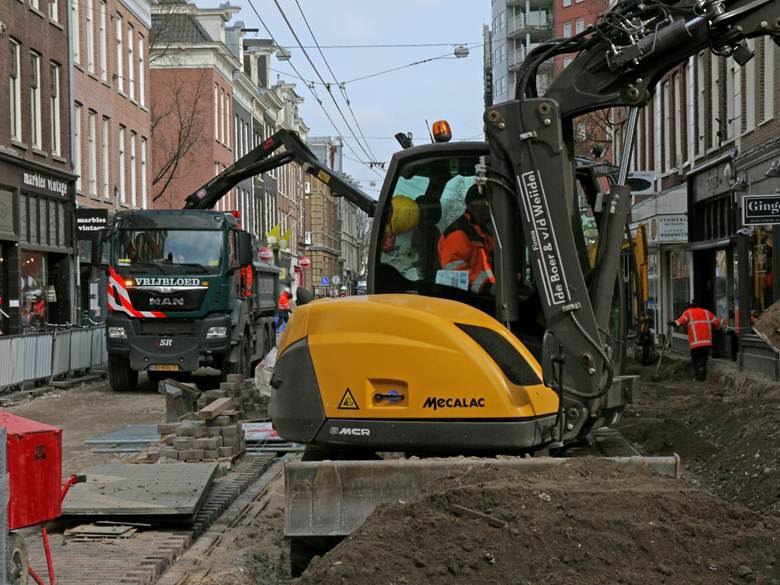
You work in one of the most demanding environments out there—active roadway work zones. Between speeding traffic, heavy machinery, and a steaming mat of hot-mix asphalt, each shift brings real risk. The good news is that proven safety habits keep accidents off the logbook and the pavement-maintenance schedule on track.
When everyone follows the same playbook, the job stays on time, and you go home healthy. Make a quick tailgate-style job-hazard analysis before every shift so new site-specific dangers—like a broken guardrail or fresh pothole—are identified and controlled before the first truck dumps.
PPE Checklist
Personal protective equipment (PPE-see here for more info) is your first and last layer of defense. The right gear blocks the most common injury modes—impacts, cuts, burns, and noise damage—before they ruin a season. Think of it as a uniform that signals professionalism and keeps insurance costs down. Well-chosen PPE also boosts morale because everyone sees the company investing in their safety. Make it a crew ritual to lay out gear the night before so nothing is forgotten in the morning rush. Keep a laminated PPE reference card in every truck so replacements can be ordered immediately when an item fails an inspection.
- High-visibility class 2 or 3 vest so drivers spot you from 300 feet away.
- Hard hat with chin strap to stay put when the milling machine blasts debris.
- Safety glasses or a full-face shield to deflect flying aggregate.
- Steel-toe, puncture-resistant boots that won’t melt on 300 °F asphalt.
- Form-fitted gloves for grip without losing dexterity.
- Earplugs or earmuffs rated 25 dB or higher around rollers and finishers.
Do a buddy check—your partner might notice a missing earplug faster than you. Replace damaged gear immediately; a cracked face shield or worn-out vest offers little real protection.
How to Flag Traffic?
When a lane closure goes up, you become the most important traffic-control device on site. Review the traffic-control plan first: taper lengths, sign spacing, and escape routes. Stand on the shoulder, not in the live lane, and always keep an exit path behind you. Hold the paddle at shoulder height, arm straight, and use slow, deliberate motions. Make eye contact with drivers and radio the pilot-car operator every time the queue builds. For mobile road resurfacing operations, rotate every 30 minutes to stay sharp.
A calm, confident flagger reduces driver frustration and keeps speeds down, which protects the rest of the paving crew. If a driver ignores instructions, note the license plate and notify law enforcement through the supervisor so the incident is logged, and patterns of aggressive driving can be addressed.
Equipment Blind-Spot Zones
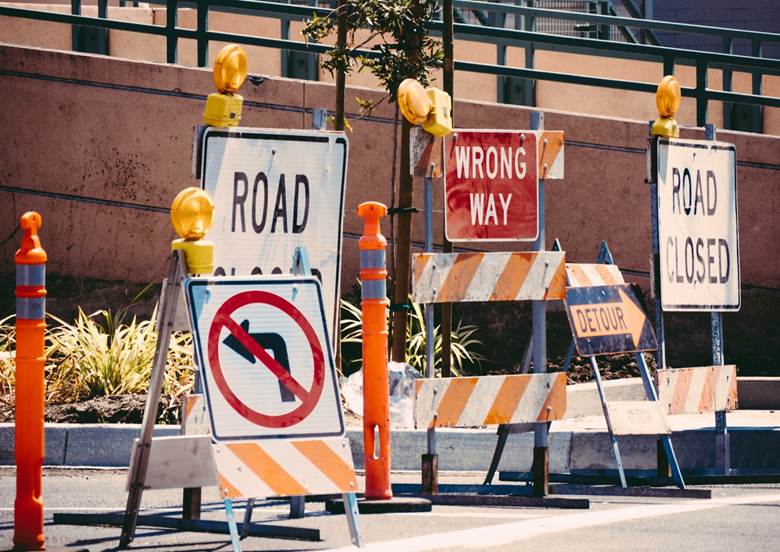
Loaders, haul trucks, and the paver all create “ghost areas” the operator can’t see. During the morning huddle, cone off those blind zones. Approach equipment only after getting eye contact and a horn blast. Never stand between the screed and the first roller until compaction testing is finished. Even veterans from a trusted road construction company Lebanon can’t dodge what they can’t see, so don’t gamble with that invisible danger zone. Wear a radio and call out blind-side movements so operators know where ground crews are at all times.
Remember that backup alarms help but do not replace clear communication. For added protection, mount inexpensive proximity sensors with cab-mounted indicators so operators get an audible alert whenever someone breaks the safety perimeter.
Heat-Stress Prevention
Because asphalt crews often work in radiant temperatures exceeding 120 °F, heat stress is the most underestimated hazard on site. Dehydration and core temperature creep up silently, sapping coordination and decision-making long before anyone collapses. A written hydration and rest protocol turns that silent threat into a controllable risk. Supervisors should track heat index readings hourly and adjust the schedule when the index hits critical thresholds. Cooling vests and shade tents add small costs but pay back in productivity by keeping crews in the game.
- Hydrate before your shift—clear-colored urine is the goal.
- Stage shaded water coolers every 200 feet and mandate a sip at least every 15 minutes.
- Rotate tasks: rake in the shade, then drive the broom tractor, then monitor asphalt paving temperatures.
- Watch for early signs of heat stress—dizziness, headache, or sudden confusion—and pull the coworker into shade right away.
- Cool the victim with wet towels; if symptoms linger five minutes, call EMS.
This proactive cycle keeps your crew productive instead of sidelined. Encourage workers to speak up early; hiding symptoms can be deadly.
Emergency Response Steps
Even the best plan can’t erase every hazard. When something does go wrong, acting fast and in the right order keeps a bad day from turning tragic.
- Kill all equipment and shut off engines the moment an incident occurs.
- Secure the scene with cones and assign a lookout to flag oncoming traffic away from the work zone.
- Dial 911, giving mile marker, direction of travel, nearest cross street, and a brief description of the injury.
- Provide first aid only if you’re trained and it’s safe; never move a casualty lying on hot mix without a backboard.
- Dispatch a teammate to meet EMS (https://en.wikipedia.org/wiki/Emergency_medical_services) at the designated access point to speed their arrival.
- After transport, keep the area closed until the superintendent and safety officer finish their investigation and share corrective actions at the next toolbox talk.
Add the incident to a running lessons-learned database within 24 hours, and review that log quarterly to spot recurring hazards—trend analysis often reveals small fixes that deliver outsized safety gains.
Safety isn’t paperwork; it’s the habits you repeat until they’re second nature. Use the right gear, control traffic with confidence, avoid blind spots, beat the heat, and drill your emergency playbook. Do that, and both the line-striping crew and the fresh asphalt will look sharp long after you roll off site. Carry those same habits back to the yard and into the office; a culture of vigilance only works if it travels wherever the crew clock-in sheet does.