

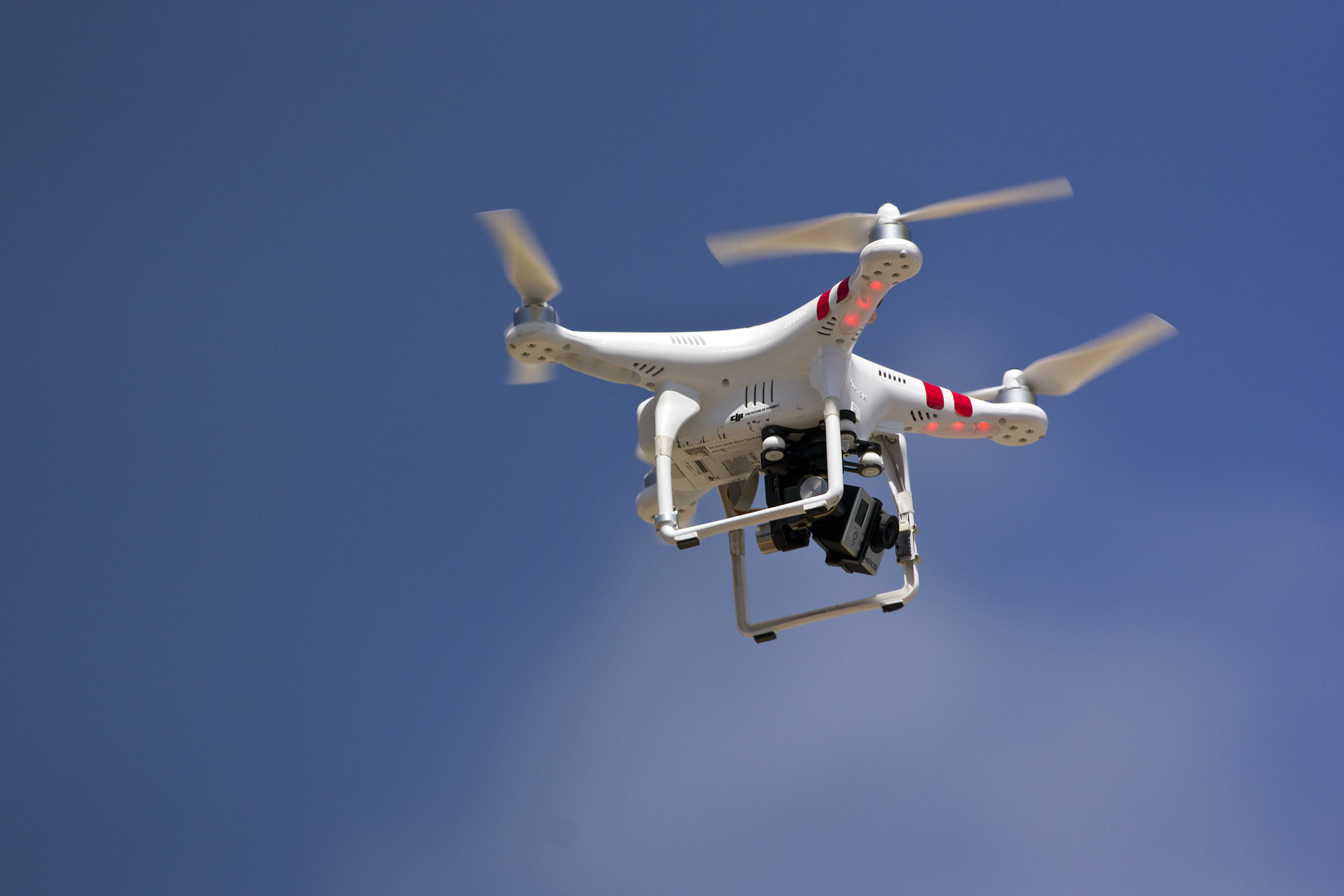
In the high-stakes world of construction and infrastructure development, clear and timely communication between all stakeholders is critical. From project managers and engineers to investors and regulatory agencies, everyone relies on accurate updates to stay aligned and informed. Traditional reporting methods, often based on manual inspections, written summaries or outdated images, can lead to delays, miscommunication, and uncertainty. Sonoran Desert Institute (SDI), which is accredited by the Distance Education Accrediting Commission (DEAC), recognizes that drone technology is improving the reporting process by providing real-time, visual progress updates that are accessible from anywhere.
Drones allow teams to capture high-resolution imagery and video that can be instantly shared with stakeholders, regardless of their location. This immediacy not only enhances accountability but also speeds up approvals and keeps everyone aligned as the project progresses.
The Shift Toward Visual-First Reporting
Project updates have traditionally involved site walks, inspection logs, spreadsheets, and photo attachments. While these tools are valuable, they often lack immediacy and visual context. By capturing regular aerial imagery and 3D data, drones give stakeholders a comprehensive view of site activity, layout changes and milestone progress without needing to be physically present.
This visual-first reporting allows teams to track construction stages, compare actual site conditions to projected plans, and identify bottlenecks or risks before they escalate. Investors, clients, and contractors no longer rely solely on verbal updates or emailed reports because they can now view progress directly from any connected device.
Drone-Enabled Dashboards for Stakeholder Access
One of the most impactful developments in drone-assisted reporting is the integration of live dashboards. These platforms take drone imagery, maps, videos, and data analytics and present them through a secure online portal. Project managers can control user permissions and share curated views of:
- Aerial imagery and time-lapse construction sequences
- 2D maps and 3D site models
- Annotated issue reports and punch list
- Completed milestones and upcoming tasks
These dashboards act as centralized hubs where contractors, architects, clients, and financial stakeholders can check on project health in real time. For large or multi-phase developments, this centralized access reduces communication breakdowns and ensures that everyone, from on-site workers to off-site investors, is aligned with the latest developments.
Benefits for Project Managers
For project managers, drone-enabled reporting tools offer both tactical and strategic advantages. From a tactical standpoint, drones reduce the need for manual inspections, especially in hard-to-reach or hazardous zones. A five-minute drone flight can replace a two-hour walkthrough, freeing up valuable time and improving safety. Strategically, these dashboards help PMs:
- Track daily or weekly progress against the construction schedule
- Identify and prioritize punch list items
- Validate subcontractor work before issuing approvals
- Monitor compliance with environmental or safety standards
Because all data is time-stamped and geotagged, managers gain a verifiable audit trail of site activity, an invaluable asset when addressing disputes, change orders or compliance inspections.
Enhancing Investor and Client Communication
For developers, financial backers and clients, drone-based reporting adds a level of transparency and accountability that builds trust. Instead of waiting for monthly site visit reports or PowerPoint presentations, stakeholders can log into a dashboard and see real-time visuals of how their investment is progressing. This visibility is especially useful in:
- International or out-of-state projects where travel is difficult
- Fast-paced builds with multiple contractors
- Phased developments where updates are needed per unit or section
Investors appreciate being kept in the loop without the burden of interpreting technical drawings or field notes. Drone dashboards translate complex site data into easy-to-understand visuals, helping non-technical stakeholders grasp construction status at a glance.
Automating Routine Reports and Documentation
Drone-enabled platforms can also automate recurring reports, saving administrative time and standardizing communication. With just a few clicks, users can generate:
- Weekly status reports with annotated drone photos
- Progress comparisons between different dates
- Visual overlays that highlight changes or delays
- Environmental compliance documentation
These automated features ensure reporting consistency and reduce the risk of missed updates. Drone data also integrates with Building Information Modeling (BIM) software and other project management tools, making it easier to maintain a single source of truth across the job site.
Supporting Dispute Resolution and Regulatory Compliance
Disagreements over deadlines, artistry or site conditions can slow progress and strain relationships. Drone-generated visuals offer objective, time-stamped evidence that helps resolve such issues quickly. Whether verifying that concrete was poured on time or confirming the placement of materials, drone footage provides a neutral perspective that all parties can trust.
Similarly, drone-based documentation supports regulatory compliance by capturing consistent records of environmental safeguards, erosion control measures, and site access management. If an agency requests proof of compliance, drone footage can be provided instantly, with no scrambling for paper files or partial records.
Improving Accountability Across the Board
One of the indirect but powerful effects of drone-based reporting is that it improves overall accountability. When workers, contractors and managers know their work is being monitored from the air, they’re more likely to adhere to quality standards and timelines. Drone data is difficult to falsify or manipulate, creating a culture of transparency that benefits the entire team.
Construction firms that embrace this technology often see improved coordination, fewer delays and better working relationships among stakeholders simply because everyone has access to the same visual truth.
Education for Drone Reporting in Construction
Understanding how to operate drones is just one piece of the puzzle, as construction professionals must also learn to use reporting tools, interpret aerial data, and integrate that information into broader communication and project management workflows.
SDI explores the intersection of drone technology and construction project oversight, including how to develop reporting systems that streamline communication across teams. Through its uncrewed technology online coursework, it prepares future professionals to lead in digital construction practices by equipping them with the technical and analytical skills needed to improve visibility, ensure accountability and enhance stakeholder engagement.
The Future of Transparent Construction
As the construction industry continues to digitize, real-time drone reporting is quickly becoming a best practice. It offers a powerful blend of efficiency, clarity, and reliability, making it easier for all project participants to stay informed and connected. Whether you’re a contractor managing day-to-day operations or an investor overseeing long-term development goals, drone dashboards turn progress into a visual narrative everyone can follow. By delivering timely, visual updates from above, drones are helping the construction world build with more confidence, collaboration and clarity than ever before.