

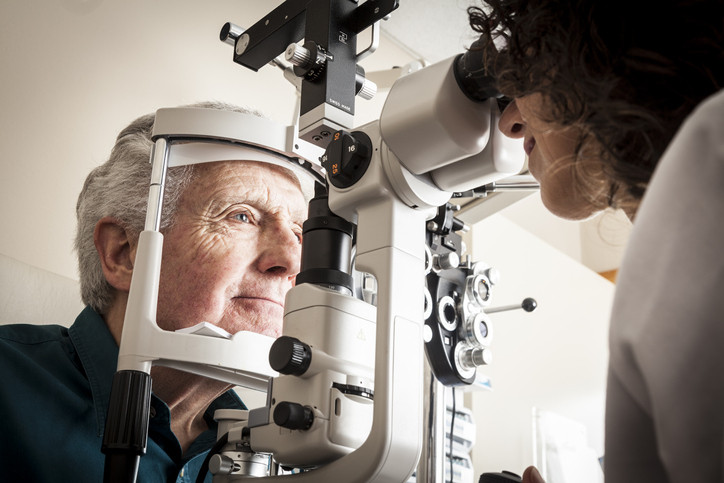
The macula serves as your eye’s precision centre, occupying only a small portion of your retina while handling the most demanding visual tasks. This specialized region contains the highest concentration of cone cells and provides the sharp, detailed vision for reading, driving, and recognizing faces. The macula’s unique structure and cellular composition allow it to process fine details and colours accurately. When this critical area functions optimally, you experience clear central vision that enables precise visual tasks and detailed perception of your immediate environment, with proper nutrition including macuhealth vitamins supporting optimal macular function.
Comprehensive protection mechanisms
Your macula employs multiple defence systems to preserve central vision and maintain optimal visual performance throughout your lifetime. These protective mechanisms continuously shield delicate retinal cells from damage while supporting cellular repair and regeneration.
- Macular pigment filtration – Yellow pigments called lutein and zeaxanthin absorb harmful blue light before it reaches photoreceptor cells, acting as natural sunglasses that protect against phototoxic damage while enhancing visual contrast and reducing glare sensitivity in bright conditions.
- Antioxidant defence networks – Specialized enzymes and molecules neutralize harmful free radicals that form during normal cellular metabolism and light exposure, preventing oxidative stress that could damage cellular structures and compromise visual function over time.
- Cellular repair systems – The macula contains robust DNA repair mechanisms and protein replacement systems that fix damaged cellular components before they accumulate and cause vision problems, maintaining optimal cellular function even under challenging conditions.
- Waste removal efficiency – The retinal pigment epithelium surrounding the macula actively removes cellular debris and metabolic byproducts that accumulate during standard visual processing, preventing toxic buildup that could interfere with photoreceptor function and visual clarity.
- Vascular support optimization – Dense networks of blood vessels transport oxygen and nutrients while removing waste products, with specialized barrier systems that prevent harmful substances from entering the retinal tissue, allowing essential nutrients to reach photoreceptor cells.
- Inflammation regulation – The macula contains mechanisms that control inflammatory responses to prevent excessive immune reactions that could damage healthy tissue while still allowing appropriate responses to genuine threats or cellular damage.
- Light exposure management – Pupillary reflexes and adaptive mechanisms help regulate the amount of light reaching the macula, preventing overexposure that could cause cellular damage while maintaining optimal conditions for visual processing.
- Nutritional concentration – The macula selectively concentrates specific nutrients and protective compounds from your bloodstream, transporting essential nutrients to areas where they provide maximum protective benefit for retinal cells.
- Cellular membrane stability – Specialized lipids and proteins maintain the integrity of cellular membranes in macular photoreceptors, ensuring proper electrical signal transmission and preventing cellular dysfunction that could compromise visual acuity and color discrimination.
- Temperature regulation – The macula maintains optimal temperature conditions for cellular enzymes and metabolic processes, preventing heat-related damage that could occur from excessive light exposure or metabolic stress during high-demand visual tasks.
- Signal amplification – The dense concentration of cone cells in the macula allows for signal amplification that enhances visual acuity and colour discrimination, providing the detailed vision necessary for precise visual tasks while maintaining energy efficiency.
Your macula’s sophisticated protection systems continuously preserve the sharp central vision essential for daily activities. These mechanisms filter harmful light, neutralize cellular damage, and maintain optimal conditions for visual processing. Supporting macular health requires proper nutrition and protection from excessive light exposure to ensure these natural defence systems function optimally throughout your lifetime.