

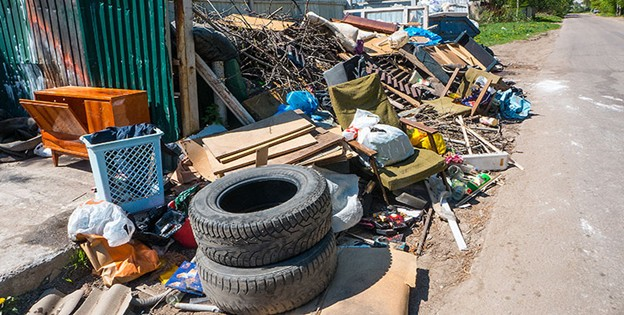
Ever watched a big green box truck roll away with your battered couch and wondered where it really ends up—or what that quick visit cost you? You’re not alone. We hear a lot of half‑truths about our industry, so let’s bust the five we see most often. Grab a coffee and let’s set the record straight.
By the end, you’ll know exactly where your old furniture goes, what you’ll pay, and why modern haulers are basically mobile recycling plants. Think of it as a peek behind the aluminum‑panel curtain—minus the musty smell. Ready? Let’s dive in and debunk some myths right now.
Myth #1: “Everything just goes to the landfill.”
Modern haulers operate like drive‑through sorting stations:
- Metal is sent to local foundries and comes back as rebar, bike frames, or car parts.
- Clean lumber & pallets become landscape mulch or biomass fuel pellets.
- Mattresses & sofas are stripped so the wood, foam, and fabric can be sold into secondary markets.
- Electronics & batteries ride in sealed bins to certified e‑waste recyclers (https://www.epa.gov/electronics-batteries-management/certified-electronics-recyclers) that mine out the copper and gold.
- Only the true trash—stuff that’s contaminated, broken beyond repair, or banned by recyclers—sees the inside of a lined, regulated landfill.
Most companies track their diversion rate the way restaurants track food costs; the higher the percentage, the healthier the business. Some even run their compactors on biodiesel brewed from used cooking oil. Every ton diverted adds months of life to crowded municipal landfills and keeps disposal fees from skyrocketing.
Strict state and federal regulations require detailed manifests, so there’s a paper—or digital—trail proving your stuff was handled responsibly. The goal is to transform yesterday’s junk into tomorrow’s raw material, not to bury it forever.
Myth #2: “You only call them if you’re a hoarder.”
Reality TV gave us that image, but the real day‑to‑day scene for Junk Removal Coeur d’Alene crews looks different. They handle:
- A single bedroom set for a college grad headed across the country.
- A post‑renovation sweep so drywall dust stays out of your SUV.
- A quick pickup that makes a realtor’s new listing look photo‑ready.
Even lugging an old washer up basement stairs can eat your Saturday (and your lower back). Paying pros isn’t an admission of failure—it’s smart time management. Property managers, Airbnb hosts, and small contractors book these services weekly to keep turnovers snappy and job sites safe. If you’ve ever dragged a soggy recliner to the curb and prayed the trash truck would take it, congratulations—you’ve qualified for professional help, no judgment required. In fact, more than half of daily bookings are routine declutters that wrap up in under an hour.
Myth #3: “Professional hauling is always expensive.”
National averages say otherwise. HomeAdvisor pegs a full truckload around $241; one‑item jobs can be as low as $60 and heavy construction clean‑outs top out near $700. That’s usually less than a car payment to reclaim an entire bay of your garage.
Price swings depend on:
- Volume – how much of the truck you fill.
- Weight & material – concrete costs more to dump than cardboard.
- Labor & access – stairs, tight hallways, or a remote driveway add time.
- Special disposal – paint, tires, or refrigerant need licensed processing.
Stack that against the DIY route: truck rental, fuel, dump fees, and an afternoon you’ll never get back. Suddenly the “expensive” option looks like a bargain. Most reputable companies offer no‑obligation on‑site quotes, so you know the number before anything is loaded. Combine errands with neighbors or schedule during off‑peak seasons and you can shave even more off the ticket. When you factor in the back‑saving convenience, the true cost often drops to nearly zero.
Myth #4: “Electronics never get recycled.”
One million recycled laptops save enough energy to power 3,500 homes for a year, according to the EPA. Certified partners:
- Wipe or crush drives to protect your data.
- Shred circuit boards so the copper and gold can be smelted into fresh stock.
- Refurbish still‑working gear for schools and nonprofits.
- Contain leaded glass and mercury in sealed systems.
Precious metals re‑enter manufacturing; toxins stay out of groundwater. Everybody wins. Twenty‑five U.S. states now mandate e‑waste recycling, meaning landfill bans and stiff fines for improper disposal—another reason pros handle it for you. Handing off that vintage iMac could literally help build the next generation of renewable‑energy hardware. That dusty desktop tower in the attic might end up powering the circuitry of tomorrow’s electric vehicles. You can visit this site to know more about electronic waste recycling.
Myth #5: “I have to bag and label everything before they show up.”
Nope. Crews arrive with dollies, tarps, and gloves ready to grab items exactly where they sit. Leaving things in place saves prep time, prevents ripped trash bags, and keeps dust down. Want to help? Unplug appliances and group small items in open boxes—that’s it. Think of them as movers in reverse: your stuff goes out, your floors (and spine) stay intact. Teams are trained to navigate tight hallways without scuffing paint and will sweep the area before they leave.
They’re also insured, so if a banister gets bumped, you’re covered—something a weekend warrior can’t promise. Many companies will even snap a quick before‑and‑after photo so you can brag about the transformation without lifting a finger.
Calling a reputable junk‑removal team isn’t wasteful or extravagant—it’s a quick, eco‑smart way to win back your space. So, the next time you see that box truck rolling through your neighborhood, you’ll know the real story riding inside—and you’ll have a few fun facts to share with the neighbors. You’ll also score an extra Saturday to spend however you like, whether that’s tackling a DIY project or chilling with a cold drink.
Plus, every responsibly diverted load supports local recycling jobs and keeps valuable materials in circulation, so your declutter day does a small bit of good for the planet—and your community—too. That’s a small act with a surprisingly large ripple effect across the entire circular economy.