

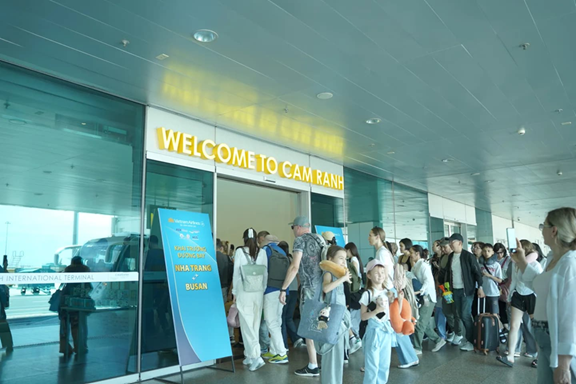
I didn’t plan to compare anything on this trip. I wasn’t interested in specs, features, or technical trade-offs. All I wanted was for things to work quietly while I moved from one place to another.
Still, somewhere between landing in Vietnam and settling into the rhythm of the first few days, I found myself noticing the difference between having data only — and having a phone number as well.
At first, everything felt familiar. Mobile data came on, maps loaded, messages went through. I checked directions, shared my location, scrolled through recommendations. On the surface, it looked like data alone was more than enough.
Then real life started happening.
The first moment was small. A driver tried to call me. Not message — call. My phone stayed silent. A minute later, a message arrived asking if I was nearby. We connected eventually, but the exchange felt slightly delayed, slightly out of sync.
Nothing went wrong. But something didn’t feel smooth either.
I started noticing these moments more often. Hotels calling to confirm arrival times. Local contacts returning missed calls instead of typing replies. Businesses assuming a quick ring would be easier than a long explanation.
Vietnam, I realized, communicates efficiently — and often verbally.
That’s when the contrast became clear.
Data-only setups are quiet. They keep you online, but slightly distant. You’re reachable on your terms, through the platforms you choose.
A phone number, on the other hand, places you inside the local flow. You become reachable in the way people naturally expect.
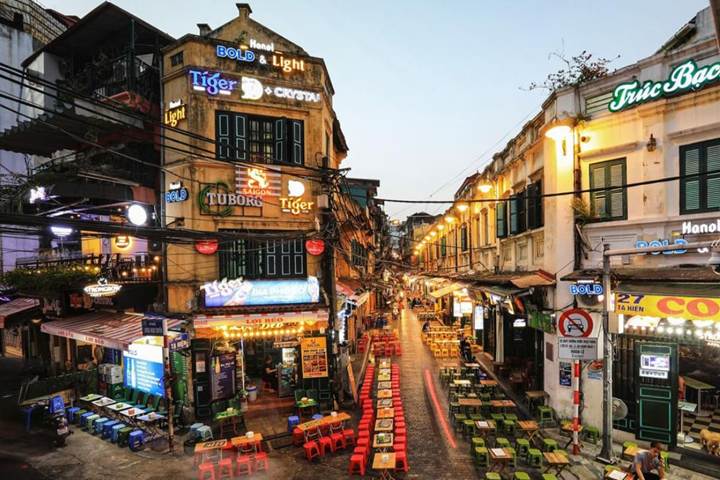
One afternoon in Hanoi, I was sitting at a street café when plans changed. The place I intended to visit was closing earlier than expected. A call came in, short and direct, suggesting an alternative nearby.
No map pins. No links. Just spoken directions and a sense of immediacy that felt surprisingly reassuring.
Later, I met another traveler who had taken the opposite approach. Data only. Wi-Fi whenever possible. Messaging apps for everything else.
They managed fine, but they also described a series of tiny delays: missed calls, follow-up messages, moments of waiting that slowly added up.
Listening to them, I realized that the difference wasn’t about convenience. It was about mental load.
With data only, you’re constantly deciding whether something can wait. Whether a reply is urgent. Whether you need to find Wi-Fi before responding.
With a phone number, those questions quietly disappear. Calls come through. Messages arrive. Things resolve themselves in real time.
By the end of the trip, the distinction felt less technical and more emotional. One option keeps you connected. The other helps you feel present.
That’s why the idea of Vietnam eSIM with phone number vs data-only
isn’t really a comparison of features. It’s a comparison of experiences.
Neither choice is wrong. Some trips are short. Some travelers prefer silence.
But Vietnam has a way of pulling you into its rhythm. Conversations happen quickly. Plans adjust casually.
Having a phone number doesn’t change where you go — it changes how easily you move once you’re there.
On my last day, I missed a call while walking through a narrow street. Seconds later, an SMS arrived explaining what the call had been about.
No urgency. No confusion. The exchange resolved itself quietly.
Sometimes the right choice isn’t the one that gives you more options. It’s the one that lets you stop thinking about them altogether.