

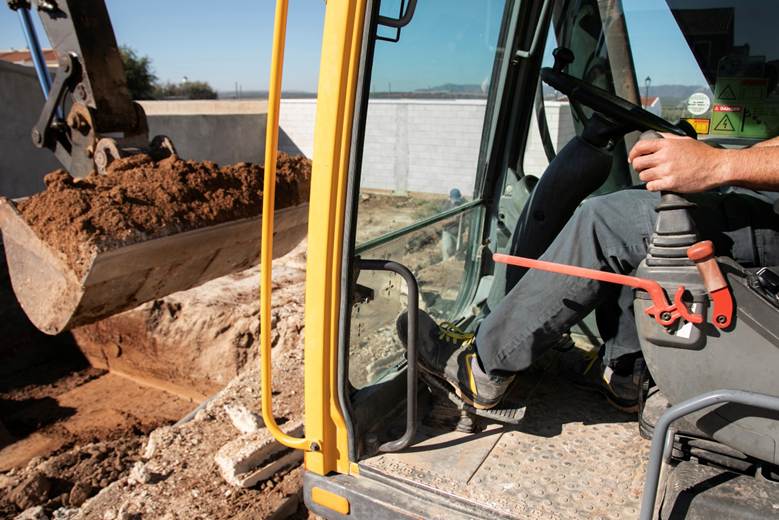
There are exciting things about breaking ground on your first development. At the same time, it can be a bit of a daunting task. This beginner’s guide will walk you through a few things you need to know to plan with confidence, and to understand what questions to ask while on-site.
What is Excavation?
Excavation (see here for more) is the process of removing soil and rock to create stable, usable space for foundations, infrastructure, utilities, roads, and access. Excavation usually starts with clearing the building site, site layout, establishing site elevations with the use of benchmarks and lasers. Excavation may also include trenching for lines, shaping slopes for drainage, and debris clearing if you are demolishing an existing structure to put in new one. If done well, excavation will create a stable, level, dry platform to work from, which will make future work easier and more predictable.
Soil Testing Basics
Before the first bucket hits the soil, a geotechnical engineer will sample the soil to assess the soils bearing capacity, moisture levels, and compaction of any fill. The report provided will inform your team how deep you can excavate, how to support the vertical sides, and how to handle any backfill or compaction material. The report will also help with land grading, and when to perform dewatering, or over-excavation with engineered fill. You can request a one-page summary of the report indicating the main high-risk areas and recommend practice so that you can respond faster and with clarity when prices are being bid.
Equipment Types
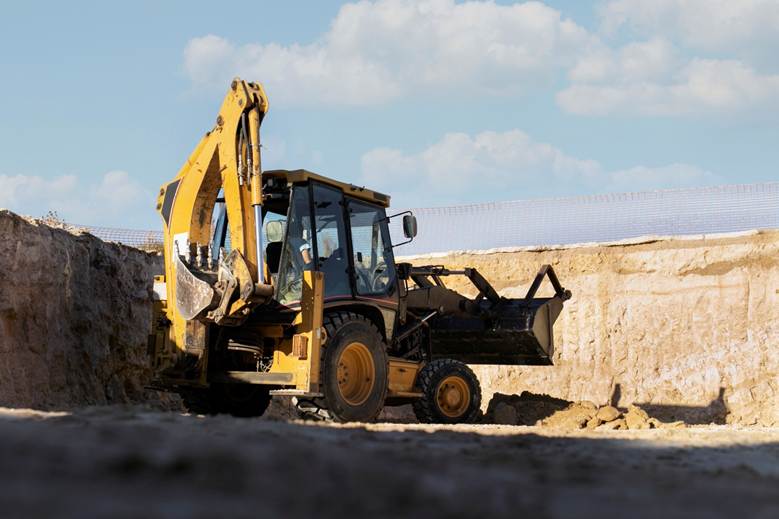
If soil testing was complete prior to excavation, you are most likely going to see a mix of machines for excavation; one to dig and haul the material away, with other pieces of equipment to compact, grade, and do specialty work, such as a trench box or shoring system. Each machine is designed for its own purpose, and taking time to choose the right type of machine will help minimize fuel costs, time, and trips to and from the site to haul away piles of debris. If you’re in the area, you may compare estimates from a local excavating contractor Philadelphia to get the right machine mix for your lot and budget. Discuss access widths, turning space, and clearance above for overhead lines so machines and dump trucks can travel and operate safely and efficiently.
- Crawler excavators: The heavyweight in the excavator category, they are designed for foundations, ponds, and utility trenches; rotate 360 degrees and accept a range of attachments.
- Mini excavators: Smaller and more maneuverable on tight lots or for light trenching work, as they disrupt less of the surrounding area.
- Backhoe loaders: The front bucket allows for moving soil, while the rear hoe is for the shallowest of trenches and footings.
- Skid steers and compact track loaders: Can load trucks, backfill, finish grade; can also run augers, brooms, forks.
- Dozers and graders: Can push big piles of material and shape pads or roads to the proper slope and elevation.
- Compactors (plate, roller, jumping jack): to achieve the required density so that slabs and pavements don’t settle.
- Dump Trucks: remove spoil off site and deliver aggregate, pull trailers; capacity and access route will drive your cycle times.
To give you a service provider example in your area – All Around Removal (map below):
Avoiding a Site Collapse
Open cuts and trenches are prone to unexpected cave-ins; this risk is increased after it rains or when heavy equipment is working nearby and creates mini vibrations. If you have deeper work to do, your contractor should be taking precautions depending upon site space and soil type depth logic like (sloping, benching, shoring, or shielding) to reduce the chances of trench collapse or cave-in. Make sure spoil piles are at least two feet from the edge, keep heavy machines back, and there are safe ladders or ramps installed.
Require daily inspections – at a minimum after storms and before work starts each day – for clear utility markings, trained spotters, and a zero-work policy under any suspended loads. Require a competent person assigned to work to stop work immediately when an unpredictable key change has occurred, and to re-inspect and check shoring protections at the start of every shift.
Legal Considerations
Most excavation activity will involve permitting, the neighbours and environmental issues, so no paperwork means no guarantees of your schedule and budget. Your excavation plans should consider and be in line with (geotech recommendations, erosion and sediment control, and any approved hauling routes for site access and removal of the construction debris). So be sure to confirm early start and review timelines since approvals for grading works or haul routes often take longer than the duration of a building permit.
- PERMITS & APPROVALS: there may be building permits, grading permits, and right-of-way permits; many areas require separate earth work permits and bonds.
- UTILITY LOCATES: Be sure to contact your utilities before you dig and try to trace private utilities too to avoid power, gas, or telecommunications strikes.
- EROSION & SEDIMENT CONTROL: Ensure to set up eco and silt fence protection around the site as well as catch-basin inlet protection, with a stabilizing option for traffic. Follow this link https://sustainabletechnologies.ca/home/erosion-and-sediment-control/ for more details.
- HAUL ROUTE & ROAD USE: check with your municipality if they have size regulations, time of day driving restrictions or closures to roads; consider timing for delivery windows.
- MATERIAL SOURCING & DISPOSAL: For fill placements – ensure you document where the fill came from, and spoil relocation by keeping tickets for debris hauling and recycling.
- ENVIRONMENTAL PROTECTIONS: Wetlands, trees or historical artifacts can require inspections and approvals that can add delays.
- NEIGHBOUR COORDIANTION: Talk to the adjoining owners about noisy work, vibration or any temporary access.
Bringing it together: excavation is your project delivery project enabler. A project with the right partners for land grading, site clearing, demolition cleanup, junk removal and debris hauling you can ensure your empty lot will be transformed into a build-ready site with fewer surprises and more confidence.