

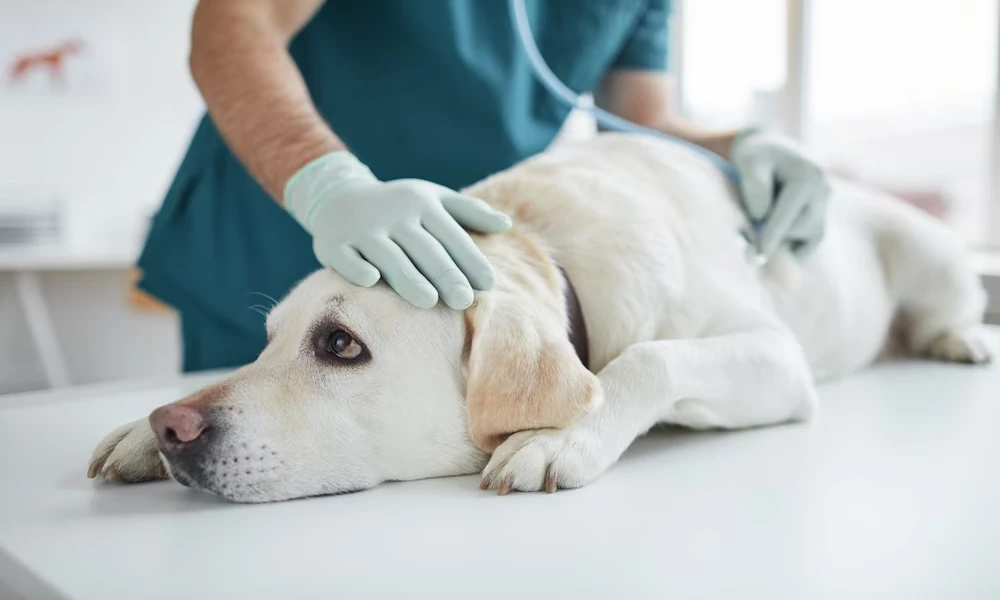
You were probably not planning for this. One day your pet seemed tired, pale, or off, and now you are hearing words like anemia, blood transfusion, oxygen support, and clot risk. That kind of shift is hard. When a pet is hospitalized for immune mediated hemolytic anemia, the pace is fast because the disease can turn serious quickly, and the waiting can feel worse than the medical language. If you are looking for veterinary services for pet owners in Langley, support and guidance during this time can make a meaningful difference.
Immune mediated hemolytic anemia, often called IMHA, happens when the immune system attacks red blood cells. Those cells carry oxygen through the body, so when they are destroyed faster than the body can replace them, pets can become weak, breathe harder, collapse, or show yellowing of the gums, skin, or eyes. Hospital care is usually focused on stabilization first, then confirming the diagnosis, treating the immune attack, and watching for complications that can become dangerous without much warning.
Hospitalization for IMHA often begins with stabilization and constant monitoring
The first hours in the animal hospital are usually about getting your pet through the immediate crisis. That may mean bloodwork, a packed cell volume check, oxygen support, IV fluids used carefully, imaging, and medications started right away. If the red blood cell count is low enough, a transfusion may be recommended. That can sound frightening, but for many pets it is the bridge that gives the body time while treatment starts to work.
You may also hear that your pet needs repeated blood tests through the day or night. That is not busywork. IMHA can change fast. Red cell counts can drop, clotting problems can appear, and the response to treatment is not always predictable in the first few days. Many internal medicine teams use imaging and broader diagnostics to look for triggers, because some pets have an underlying infection, inflammation, cancer, or another condition that helped set this off. Cornell’s internal medicine medical conditions service gives a helpful overview of the kind of advanced evaluation that may be part of care.
Treatment for a pet admitted with hemolytic anemia is aimed at stopping red blood cell destruction
Once your pet is more stable, treatment usually centers on suppressing the immune system. Steroids are common, and some pets need additional immunosuppressive drugs. These medications are used because the body is treating its own red blood cells like a threat. Hospital teams also watch closely for side effects and for signs that the treatment is helping. Improvement is not always immediate. A pet can still look tired or need transfusion support even after treatment has started.
One of the hardest parts for families is hearing that the danger is not limited to anemia itself. Dogs with IMHA, in particular, can face a real risk of blood clots. A clot in the lungs or another major vessel can become life threatening very quickly. That is why your veterinarian may discuss blood thinners or anti clotting medication as part of the plan. Cornell is also investigating the cause of blood clotting in dogs with IMHA, which shows how central this complication is to the disease.
You may wonder why discharge is not happening as soon as your pet eats or seems brighter. The answer is that a better afternoon does not always mean the crisis has passed. Hospitalization for immune mediated anemia in pets often lasts until the red cell count is more stable, breathing is comfortable, clot risk is being managed, and the home medication plan is realistic.
The emotional and financial strain of IMHA hospitalization is real
This diagnosis is medically intense and emotionally draining. You may be waiting on updates while trying to make decisions about transfusions, medications, or another night in the hospital. The cost can rise quickly because care often includes around the clock monitoring, repeated lab work, imaging, specialist input, and days of treatment instead of hours.
It also helps to know that progress is rarely a straight line. Some pets improve and then dip again. Some need more than one transfusion. Some go home on several medications and need frequent rechecks. That does not always mean treatment is failing. It often means the care team is adjusting to how your pet’s body is responding. What to expect when a pet is hospitalized for immune mediated hemolytic anemia is not a simple timeline. It is close monitoring, reassessment, and careful decisions made one step at a time.
Common parts of animal hospital care for IMHA
| Part of Care | Why It Is Done | What You May Notice |
|---|---|---|
| Frequent blood tests | Checks red blood cell levels and tracks response to treatment | Updates may focus on numbers changing over hours, not days |
| Blood transfusion | Supports oxygen delivery when anemia is severe | Your pet may seem stronger after transfusion, but still need hospitalization |
| Immunosuppressive medication | Slows the immune attack on red blood cells | Improvement can take time and side effects may need management |
| Clot prevention | Reduces the risk of dangerous blood clots | You may hear a lot about breathing rate, circulation, and sudden changes |
| Imaging and added diagnostics | Looks for triggers or related disease | Discharge may be delayed while the team rules out underlying causes |
Small steps help you manage a pet hospitalization for IMHA
Ask for the daily priorities. Instead of trying to absorb every lab value at once, ask what the team is most concerned about today. Is it the anemia level, clot risk, appetite, breathing, or medication response. That gives you a clearer picture of where your pet stands.
Get the discharge plan early. Even if your pet is not going home yet, ask what home care is likely to involve. Many pets leave the animal hospital with multiple medications, activity limits, and scheduled rechecks. Knowing that ahead of time makes the transition less chaotic.
Track changes in writing. Keep a note on your phone with packed cell volume numbers, transfusions given, medication names, and questions for the next update. When stress is high, details blur. A simple list helps you stay grounded and makes follow up easier.
Recovery after immune mediated hemolytic anemia often continues long after discharge
Going home is a good sign, but it is not the end of treatment. Many pets need weeks to months of medication and repeat bloodwork. Appetite, energy, gum color, breathing, and bathroom habits all matter. If your pet seems weak again, breathes harder, collapses, or looks pale or yellow, contact your veterinary team right away. A return of symptoms needs attention fast.
This is a lot to carry, and you do not have to pretend it feels manageable from the start. The goal of an animal hospital team is to steady your pet, lower the risk of sudden complications, and give you a plan you can follow once home. If your pet is facing pet hospitalization for IMHA, stay close to the care team, ask direct questions, and take it one update at a time.