

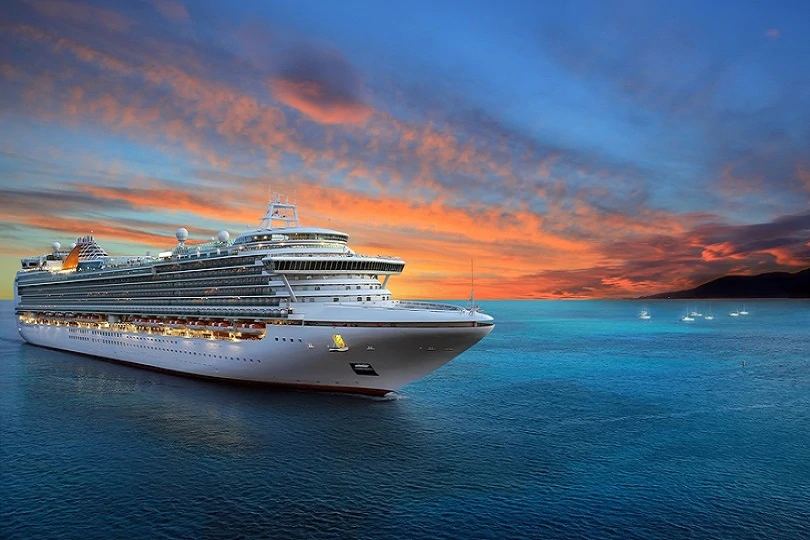
For those who consider culinary experiences a central part of travel, few modes of transportation offer the variety and depth of a cruise. Traveling by ship allows passengers to explore multiple destinations, each with its own food culture, while providing the convenience of consistent, high-quality dining options on board. This combination of exploration and comfort makes cruising a uniquely appealing choice for food lovers seeking both adventure and ease.
One of the greatest advantages of cruising for food enthusiasts is the sheer variety of cuisine available. Modern cruise ships often feature multiple restaurants, each specializing in a different type of cuisine. Passengers can sample regional dishes inspired by ports of call, international favorites prepared by renowned chefs, and specialty offerings such as sushi, tapas, or gourmet desserts. The diversity ensures that each meal can be a new adventure, and the opportunity to try dishes without committing to a full restaurant or complicated travel schedule makes sampling more spontaneous and enjoyable.
The culinary offerings extend beyond formal dining rooms. Casual eateries, buffet stations, and poolside cafes provide a range of options throughout the day, from freshly baked pastries in the morning to handcrafted cocktails paired with small plates in the evening. This flexibility allows food lovers to structure their days around both exploration and indulgence, balancing time ashore with relaxed meals at sea. Even for travelers with specific dietary preferences or restrictions, the variety on board ensures there is always something satisfying to enjoy.
A cruise also allows travelers to experience the local flavors of multiple destinations without the need to constantly pack and move. A Caribbean cruise, for instance, may visit several islands, each offering unique culinary traditions. Passengers can sample tropical fruits, fresh seafood, and locally prepared specialties at markets, cafes, or waterfront restaurants. The beauty of the cruise format is that it provides a gentle introduction to these flavors, often with guides or staff recommending the best spots and hidden gems. The experience combines discovery with ease, allowing food lovers to savor each meal without logistical stress.
Excursions designed with food in mind add another layer of enjoyment. Culinary tours, cooking classes, and visits to vineyards or local farms allow travelers to engage directly with the sources of their meals. These activities offer insight into local ingredients, traditional preparation methods, and regional customs. Participating in a hands-on experience—whether learning to fillet a fish, bake bread, or craft a traditional sauce—deepens the appreciation of what might otherwise be a simple meal. The result is not just consumption but connection, as travelers understand the story behind the flavors on their plate.
For many food enthusiasts, wine and beverage pairings enhance the overall journey. Cruises often feature curated wine lists, tasting events, and sommelier-led dinners that highlight the interplay between food and drink. Passengers can experiment with pairings they might not have encountered before, whether it is a crisp white with freshly caught fish or a robust red alongside grilled meats. The opportunity to explore new flavors in a relaxed environment encourages experimentation and discovery, making the dining experience itself a form of adventure.
Even everyday meals on board can feel special. Fresh ingredients, attention to presentation, and the knowledge that meals are prepared by trained chefs elevate the dining experience. Watching the sunset while enjoying a carefully crafted dish or sharing a sampling menu with fellow travelers adds a sense of occasion to even routine meals. Unlike traditional land-based travel, where finding consistently high-quality meals can require extensive research and effort, cruises offer a built-in standard of excellence, allowing food lovers to focus on enjoyment rather than logistics.
The combination of convenience and variety also encourages travelers to explore more than they might otherwise. Because meals are taken care of, passengers can dedicate energy to experiencing local markets, tasting regional street food, or joining culinary-focused excursions at each port. This balance between structured indulgence and spontaneous exploration maximizes the culinary experience while maintaining the comfort and ease that make cruises appealing.
Cruises also provide opportunities for social dining experiences that add to the enjoyment. Shared tables, wine tastings, and chef-led events create opportunities to meet fellow travelers with similar culinary interests. Conversation and shared discovery enhance the experience, turning meals into memorable social occasions. The communal aspect of dining on a cruise allows food lovers to compare impressions, swap recommendations, and learn about flavors and techniques from other perspectives, enriching the journey beyond the plate.
In addition to variety and social opportunities, cruises offer accessibility that makes food-focused travel more manageable. Passengers do not need to navigate multiple accommodations, plan complex itineraries, or coordinate transportation between destinations. This convenience allows for a more relaxed and immersive culinary experience, where the focus remains on tasting, learning, and enjoying. The rhythm of the cruise provides natural breaks, with time at sea for relaxation and reflection, and time at port for exploration and discovery.
Ultimately, traveling by cruise allows food lovers to experience an abundance of flavors, culinary traditions, and beverage pairings while maintaining comfort, convenience, and flexibility. It combines the pleasures of local discovery with the reliability of professional dining, offering opportunities for both guided and spontaneous exploration. Each meal becomes part of the adventure, connecting travelers to the culture, people, and environment of each destination.
For those who savor travel as much for its tastes as for its sights, a cruise is more than a mode of transportation. It is a moving celebration of culinary diversity, a chance to indulge, experiment, and discover flavors that would otherwise require extensive planning and travel. From casual breakfasts to formal dinners, guided tastings to spontaneous street-side sampling, a cruise provides a framework in which food is both the journey and the destination, creating lasting memories with every bite and sip.