

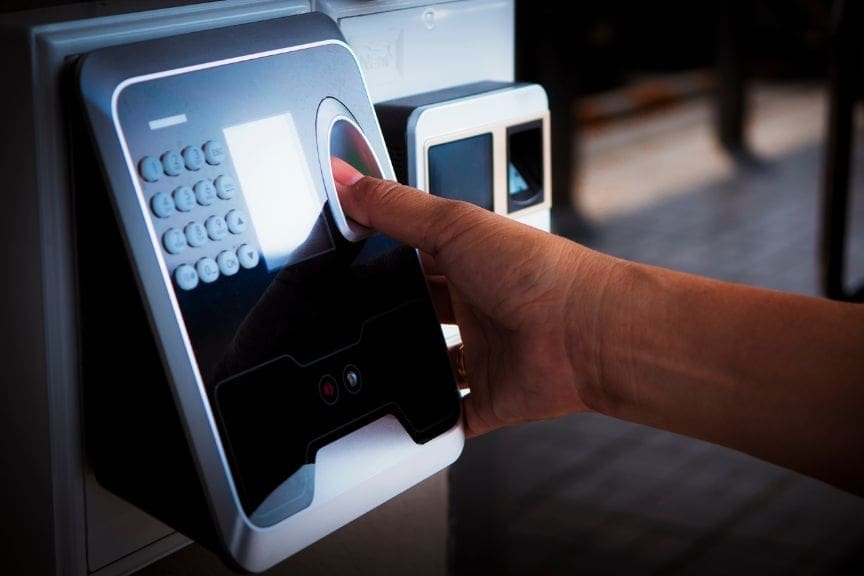
What is a Residential Access Control System?
A residential access control system is a secure way to manage and monitor entry into homes or residential buildings. This technology offers keyless entry solutions, ensuring resident safety and enhancing home security.
Definition and purpose
Residential access control systems form a crucial component of home security by managing entry to apartments, condos, and private homes. These systems secure buildings against unauthorized access while ensuring residents move freely within their living spaces.
Essential for maintaining the safety of those inside, they use technology like keyless entry, electronic door locks, and biometric identification to allow or deny entrance. By integrating these modern solutions, residential access control systems protect properties and offer peace of mind to both homeowners and property managers.
The purpose of these systems extends beyond security; they also streamline the process of accessing homes in a smart and efficient way. With options ranging from RFID systems to video intercoms, residents can enjoy enhanced convenience without compromising on safety.
Incorporating smart home security with features like remote access control allows individuals to manage their home’s entry points from anywhere in the world. This fusion of convenience with security not only elevates resident satisfaction but also positions these systems as indispensable tools in today’s apartment security efforts.
Types of access control systems for apartments and condo buildings
Choosing the right access control system for apartments and condo buildings is crucial for maintaining security and managing entry. These systems not only regulate who gains entry but also contribute significantly to the overall security framework of a building. Here are several options tailored to meet diverse security needs and scenarios:
- RFID Systems: Use radio-frequency identification for seamless gate security, allowing residents to access their homes with a simple scan of an RFID tag or card. This system is popular due to its ease of use and quick entry process, making it an excellent choice for larger complexes.
- Biometric Access Control: Employs unique physical characteristics, such as fingerprints or facial recognition, for building access. This type offers high security because it eliminates the possibility of unauthorized entry through lost or stolen keys.
- Smart Locks and Keypads: Incorporate keyless entry systems into residential settings, enabling residents to unlock doors using PIN codes or mobile apps. Smart technology enhances user convenience while keeping unauthorized visitors out.
- Cloud-Based Access Control Systems: Allow remote management of building access through smart technology. Administrators can grant or revoke access permissions from anywhere, making it easy to manage multiple properties or remotely control guest access.
- Electronic Access Control: Relies on electronic keys and locks that communicate with each other to grant or deny access. This system is adaptable for entry control in specific areas like gyms, pool gates, and parking garages within the property.
- Video Intercom Systems: Combine video surveillance with intercom capabilities to verify visitors visually before granting them access. Residents appreciate the added layer of security this provides by being able to see and speak with guests before entry.
- Mobile Solutions: Allow residents to use their smartphones as digital keys for home security systems and building entrances—a convenient option that caters to the modern dependency on mobile devices.
- Keycard Access Systems: Utilize magnetic stripe or chip cards as electronic keys which are swiped or inserted into readers at points of entry—ideal for controlling access in high-traffic areas efficiently.
Each type of system mentioned integrates key elements from the realm of home security solutions, electronic access control, and smart technology to create secure environments for apartment dwellers and condo residents alike.Module
How to Choose the Best Residential Access Control System
When choosing the best residential access control system, consider factors like security needs and ease of use. To explore more about this topic, keep reading our guide for a detailed overview of access control options and their benefits.
Factors to consider
When choosing a residential access control system, it is essential to consider several factors to ensure that the system meets the specific security needs of your property. Here are the key factors to consider:
- Security Levels: Determine the level of security required for your property, considering factors such as building size, number of residents, and potential security threats.
- Scalability: Consider the scalability of the access control system to accommodate future growth or changes in your residential property.
- Integration Capability: Look for systems that can integrate with other security solutions such as surveillance cameras and alarm systems for comprehensive protection.
- User-Friendly Interface: Choose a system with an intuitive interface for easy management and user accessibility.
- Maintenance Requirements: Assess the ongoing maintenance needs and costs associated with the access control system to ensure it remains reliable and efficient over time.
- Compliance Standards: Ensure that the chosen system adheres to industry standards and regulations for residential access control.
- Remote Access Management: Consider systems that offer remote access management capabilities, allowing you to monitor and manage access from anywhere at any time.
- Customization Options: Look for systems that offer customization options to tailor access levels and permissions according to specific resident needs.
- Cost Considerations: Evaluate both initial investment costs and long-term operational expenses when selecting a residential access control system.
Tips for managing access at residential properties
Managing access at residential properties is a critical aspect of maintaining security and controlling who can enter the premises. Here are some tips to effectively manage access at residential properties:
- Implement a tiered access control system to restrict entry to different areas within the property, ensuring that only authorized individuals have access to specific zones.
- Utilize access management systems with customizable permissions, allowing you to grant and revoke access as needed for residents, staff, and visitors.
- Embrace modern technology such as smart locks and keypads to enhance security while providing convenient access for residents and authorized personnel.
- Regularly review and update access control policies and procedures to adapt to changing security needs and address potential vulnerabilities.
- Incorporate residential security cameras into the access control system to monitor entrances, common areas, and other key locations for enhanced surveillance.
- Educate residents and staff on the importance of following access control protocols and reporting any suspicious activity or breaches of security.
- Consider integrating biometric identification solutions for an additional layer of secure access management within the residential property.
- Conduct thorough background checks for employees, contractors, and service providers who may require access to the property to mitigate potential risks.
- Collaborate with reputable vendors and brands when selecting access control technology to ensure reliability, support, and seamless integration with existing systems.
Common types of residential access control
Residential access control systems come in various types, each offering unique features to suit different security needs. When choosing the best option for your property, consider these common types:
- RFID Systems: Utilizing radio frequency identification technology, RFID systems offer secure entry through keycards or fobs, providing a convenient and efficient way to manage access.
- Cloud-Based Access Control Systems: These modern systems allow for remote management of access permissions and provide real-time monitoring through cloud-based platforms, enhancing overall security and flexibility.
- Smart Locks and Keypads: Integrating advanced technology, smart locks and keypads offer keyless entry options using personalized codes or smartphone apps, ensuring convenient and secure access for residents.
It is important to consider the specific needs of your property and the level of security required when evaluating these options. By understanding the unique features of each type, you can make an informed decision on the best residential access control system for your building.
The Best Residential Access Control System Options
Explore various options for residential access control systems such as RFID systems, cloud-based access control, and smart locks and keypads. Consider the benefits and features of each solution to determine which best suits your needs.
RFID systems
RFID systems, or radio frequency identification systems, are popular for residential access control. These systems use small tags or cards that emit a radio signal to access doors and gates.
RFID technology provides a convenient and secure way to manage access at residential properties. With RFID systems, property managers can easily issue and revoke access privileges without the need for physical keys.
This type of system is cost-effective and offers a high level of security for apartment buildings and condo complexes.
When considering an RFID system for your residential property, it’s essential to assess the initial and ongoing costs associated with installation and maintenance. Additionally, understanding how RFID technology integrates with other building security systems is crucial in making an informed decision about selecting the best residential access control system.
Cloud-based access control systems
When choosing a residential access control system, cloud-based solutions offer the flexibility of managing access remotely. These systems use an internet connection to enable property managers to monitor and grant entry from anywhere.
Cloud-based access control systems provide enhanced security for apartment buildings and condo complexes by allowing real-time access management and customizable user permissions. Utilizing this technology ensures that only authorized individuals can enter the premises, enhancing overall security and peace of mind for residents.
Cloud-based access control systems are designed to streamline management processes, making them ideal for apartment security systems. By leveraging these advanced solutions, property owners can efficiently handle tenant turnover and easily manage multiple properties from one centralized platform.
Additionally, they help reduce the costs associated with physical keys while providing detailed audit trails to track entry and exit activities – a crucial feature for ensuring secure residential premises.
Smart locks and keypads
Smart locks and keypads are popular options for residential access control systems. They provide convenient and secure entry without the need for traditional keys. These systems offer flexibility in managing access to residential properties, allowing different levels of authorization for residents and visitors.
With the advancement of technology, smart locks and keypads also integrate with mobile devices, enabling remote monitoring and control over access to your property. Overall, smart locks and keypads enhance the security of residential buildings while offering a user-friendly experience for residents.
When choosing a residential access control system, it is important to consider the benefits that smart locks and keypads can bring, such as ease of use, enhanced security features, and integration with other smart home technologies.
Additionally, these systems alleviate concerns about lost or stolen keys while providing a seamless entry experience for authorized individuals.
Recommended products and brands
Selecting the best residential access control system is crucial for ensuring property security and providing convenient access to residents. Here are some of the top-recommended products and brands that cater to various needs and preferences, from RFID systems to cloud-based solutions and smart locks.
| Type of System | Product/Brand | Key Features |
| RFID Systems | HID Global | Widely used in residential buildings for its reliability and ease of use. |
| Cloud-Based Access Control | Brivo | Offers remote management capabilities and real-time monitoring. |
| Smart Locks | August Smart Locks | Enables keyless entry and integrates with home automation systems. |
| Keypads | Schlage Encode | Provides easy access through PIN codes and integrates with smart home technology. |
Each of these options has been designed to offer secure, convenient access control for residential properties, addressing the need for high-security measures while also considering the specific requirements and preferences of each organization. From RFID systems known for their reliability to modern cloud-based solutions that offer flexibility and real-time control, selecting the right access control system is vital for safeguarding your property. Products like August Smart Locks and Schlage Encode further enhance residential security with their advanced features, ensuring that choosing the ideal system aligns with both security expectations and operational needs.
Conclusion
Choosing the right residential access control system is crucial for maintaining security and ensuring seamless resident access. The guide covers various types of systems, factors to consider, and recommended products to help you make an informed decision based on your specific needs.
It emphasizes the importance of selecting a system tailored towards maximum security for your building. With valuable insights into navigating the complexities of access control options, you can confidently embark on enhancing your residential security without feeling daunted by the ever-evolving realm of entry control systems.