

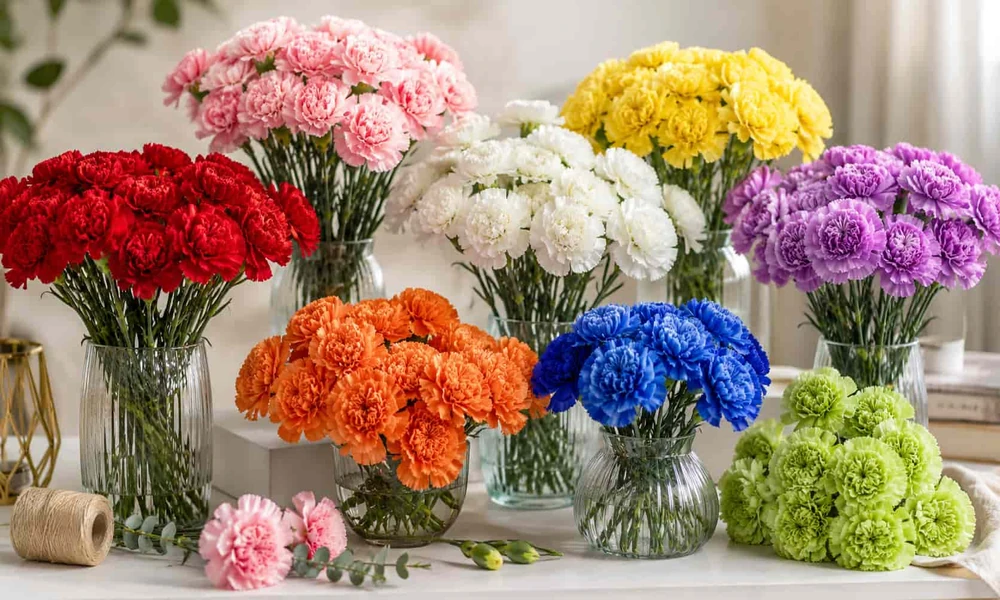
Flowers can completely change the atmosphere of an event. Whether the occasion is an elegant wedding, a corporate gathering, a birthday celebration, or a community festival, the right flowers can make tables, entrances, stages, and photo areas feel more inviting. When a large number of arrangements are required, however, choosing flowers is not only about appearance. Quantity, consistency, freshness, color, and budget all become important considerations.
For large-scale floral planning, wholesale carnations can be a practical option. Carnations are known for their full, ruffled blooms, wide range of colors, and relatively sturdy stems. These characteristics make them useful for everything from simple centerpieces to larger installations.
Buying flowers in larger quantities can also make event preparation easier. Instead of purchasing individual bunches from different sources, planners can organize their floral requirements around a consistent selection of colors and flower varieties.
Why Carnations Work Well for Events
Carnations have several qualities that make them suitable for occasions where flowers need to look attractive for an extended period.
Their layered petals create a full appearance, meaning a relatively simple arrangement can still look substantial. They can also be used alone or combined with other flowers and greenery. This flexibility allows carnations to fit both classic and contemporary event designs.
Another advantage is their versatility in color. Depending on the event theme, planners can select soft shades for romantic settings, bright colors for celebrations, or neutral tones for sophisticated arrangements.
Common Benefits of Carnations
- Full blooms that add volume to arrangements
- A broad selection of colors
- Suitable for bouquets and centerpieces
- Useful for large floral displays
- Easy to combine with greenery and complementary flowers
- Suitable for both formal and casual events
- Can work with different decorating styles
Choosing Carnations Based on the Event
The type of event should influence the way carnations are selected and arranged. A wedding may require soft, coordinated colors, while a birthday party could benefit from brighter and more playful combinations.
For corporate events, flowers are often selected to complement a company’s existing color palette without making the venue feel overly decorative. Neutral whites, creams, blush tones, or carefully selected accent colors can create a polished environment.
At weddings, carnations can be incorporated into bridal bouquets, bridesmaid flowers, ceremony decorations, reception centerpieces, and cake-table arrangements. Their rounded shape also works particularly well in compact floral designs.
For birthday parties and anniversaries, mixed-color arrangements can create a more energetic appearance. Carnations can also be used in decorative jars, low table arrangements, or larger displays around the entrance.
How Many Flowers Should You Order?
Estimating the required quantity is one of the most important parts of event flower planning. Ordering too little can create unnecessary stress, while ordering substantially more than necessary may increase waste.
Start by listing every location where flowers will be used. Consider:
- Guest tables
- Main entrance
- Registration or welcome table
- Stage or presentation area
- Buffet or food tables
- Bar or refreshment area
- Ceremony backdrop
- Bridal or VIP table
- Photo booth or photography area
- Additional decorative displays
Once these locations are identified, estimate the number of arrangements needed for each area. Then consider the approximate number of stems required per arrangement.
It is also sensible to allow a small reserve for damaged stems, last-minute design changes, or unexpected requirements. The exact amount will depend on the event size and the type of arrangements being created.
Buying Carnations in Bulk for Large Events
Purchasing carnations in bulk can simplify planning when an event requires dozens or even hundreds of floral arrangements. Instead of treating each arrangement as a separate purchase, organizers can calculate their total stem requirements and select a consistent mix of colors.
Before placing a large order, think about the event schedule. Flowers needed for an early-morning ceremony may require different handling from flowers being installed shortly before an evening reception.
It is also important to check the expected condition of the flowers upon arrival. Look for healthy stems, fresh foliage, firm blooms, and petals without excessive browning or damage.
Questions to Consider Before Ordering
Ask yourself:
- What colors are required?
- How many arrangements need to be made?
- When will the flowers arrive?
- How much preparation time is available?
- Where will the flowers be stored?
- Will the arrangements use carnations alone or mixed flowers?
- Is there a backup plan for damaged or unusable stems?
Answering these questions before purchasing can prevent many common event-planning problems.
Matching Carnation Colors With Event Themes
Color coordination can have a significant effect on the overall appearance of a venue. Rather than choosing flowers based solely on personal preference, consider how the colors interact with table linens, furniture, lighting, invitations, signage, and other decorations.
White carnations can provide a clean and timeless appearance. Pink shades can create a softer and more romantic setting, while red carnations can add intensity to an arrangement. Peach, lavender, cream, and other shades can be combined to produce more distinctive palettes.
For a sophisticated event, limiting the design to two or three complementary colors often produces a more cohesive result than using too many unrelated shades.
Creating Attractive Carnation Arrangements
Carnations do not need complicated designs to make an impact. A simple arrangement can look polished when the stems are prepared properly and the flowers are distributed evenly.
For table centerpieces, low arrangements can help guests maintain eye contact across the table. Taller designs may work better in areas where they will not obstruct conversations.
Carnations can also be paired with greenery to create contrast. Eucalyptus, ruscus, ferns, or other foliage can provide structure around the rounded blooms. When using additional flowers, select varieties with different shapes so the arrangement has visual depth.
Simple Arrangement Ideas
Low centerpieces: Place carnations in compact clusters inside low bowls or vases. These work well for dining tables.
Mixed bouquets: Combine carnations with flowers of different sizes and textures for a more natural appearance.
Single-color displays: Use one shade throughout an arrangement to create a clean, coordinated look.
Decorative clusters: Small groups of carnations can be placed around welcome signs, dessert tables, or other focal points.
Keeping Carnations Fresh Before the Event
Proper handling is essential when flowers are purchased ahead of an event. As soon as the flowers arrive, inspect the stems and remove damaged foliage. Cut the stems at an angle using a clean, sharp tool before placing them in clean water.
Keep flowers away from direct sunlight, excessive heat, and strong drafts. A cool environment can help slow the natural aging process.
Water should be replaced regularly, and containers should remain clean. If floral preservatives are being used, follow the product instructions carefully rather than adding excessive amounts.
Timing also matters. Preparing arrangements too early may reduce their freshness by the time guests arrive. Whenever possible, coordinate flower preparation with the event schedule.
Budgeting for Event Carnations
A floral budget should account for more than the basic flower cost. Depending on the event, additional expenses can include vases, floral foam, greenery, ribbons, transportation, storage, tools, and labor.
Creating a complete list of requirements before purchasing helps establish a realistic budget. It is also useful to separate essential floral elements from optional decorations.
For example, flowers for the main ceremony area and guest tables may be essential, while smaller decorative arrangements for secondary areas could be adjusted if the budget becomes tight.
Using carnations as a substantial part of an arrangement can also provide visual fullness without requiring every display to contain several different premium flower varieties.
Common Mistakes to Avoid
Large event orders require careful organization. Some common mistakes can easily be avoided with advance planning.
Ordering without measuring: Always estimate the number of arrangements and stems before purchasing.
Ignoring the event timeline: Flowers should arrive and be prepared according to when they will actually be displayed.
Using too many colors: A limited palette usually creates a more coordinated visual effect.
Poor storage: Leaving flowers in direct sunlight or a hot room can shorten their useful display life.
Forgetting supplies: Vases, cutting tools, water containers, greenery, and other accessories should be included in the planning process.
No backup quantity: Having a modest reserve can be useful when some stems arrive damaged or become unsuitable during preparation.
Final Thoughts
Carnations can be a flexible and practical flower for events of many different sizes. Their full blooms, broad color selection, and adaptability make them suitable for centerpieces, bouquets, entrance decorations, stages, and other floral features. The key to successful event flower planning is not simply choosing an attractive flower but organizing the entire process around quantity, timing, color, preparation, and storage.
For larger celebrations, carnations in bulk can make it easier to maintain a consistent floral theme across multiple arrangements. With careful planning and proper handling, carnations can help create a polished setting while giving event organizers plenty of creative options.
Frequently Asked Questions
1. Are carnations suitable for weddings?
Yes. Carnations can work particularly well for weddings because they are available in many colors and have naturally full blooms. They can be incorporated into bridal bouquets, ceremony decorations, reception centerpieces, and smaller floral accents. Their rounded shape also makes them useful when creating arrangements with a fuller appearance.
2. How should carnations be stored before an event?
Carnations should generally be kept in a clean, cool environment away from direct sunlight, excessive heat, and strong drafts. Fresh water and clean containers are important. Stems can be recut before placing them in water, while damaged leaves or foliage should be removed to support better flower condition.
3. Can carnations be combined with other flowers?
Absolutely. Carnations can be paired with flowers featuring different shapes, sizes, and textures. Adding greenery can provide structure and contrast, while complementary flowers can make an arrangement more visually interesting. The best combinations depend on the event’s color palette, overall design, season, and desired style.
4. How far in advance should event flowers be planned?
Floral planning should ideally begin well before the event, particularly when a large quantity is required. Start by determining the number of arrangements, colors, flower types, and delivery schedule. Final preparation should be timed according to the event so the flowers remain fresh and attractive when displayed.
5. What colors of carnations are commonly used for events?
White, pink, red, cream, peach, and lavender carnations are among the colors that can work well for event decorations. The best choice depends on the occasion and existing décor. Coordinating the flowers with linens, invitations, lighting, and other decorative elements can create a more unified and professional appearance.