

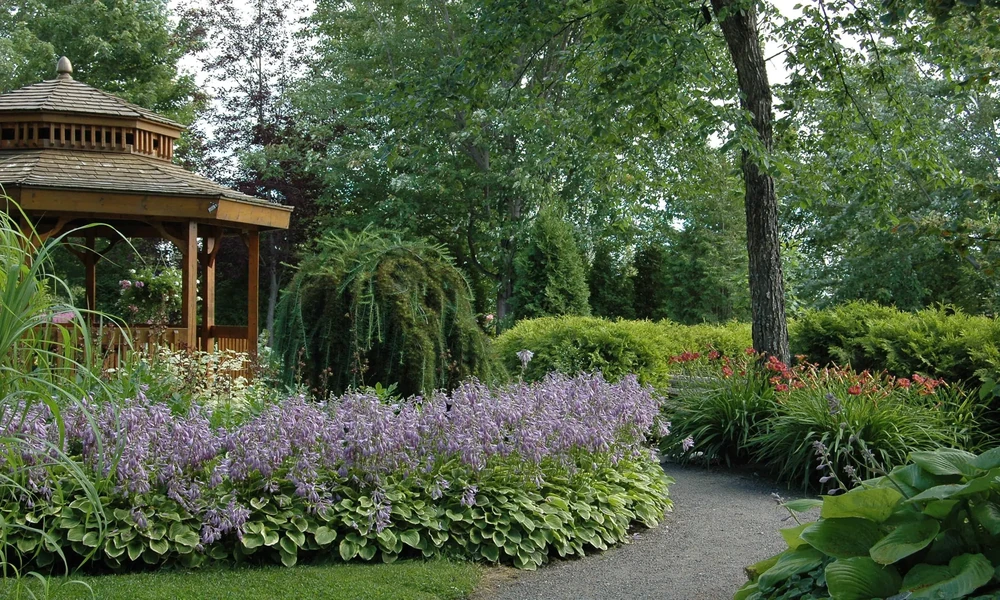
An entry garden is read in motion. A visitor sees the first planting from the sidewalk or drive, then the angle changes at a gate, a step, or the approach to the door. Plants that look balanced in a static bed plan may fail to explain that sequence. The eye needs a beginning, a pause, and a clear continuation.
Daylilies offer a useful combination of steady foliage and elevated flowers for this job. The clump marks a position without becoming a hedge, while the scapes raise seasonal color into the visitor’s view. Used repeatedly, that form creates direction. Used indiscriminately, it produces several equal accents and leaves the arrival route uncertain.
The design therefore starts with movement rather than a favorite color. Each placement should answer a moment in the approach, respect the walking line, and remain convincing when the door is closed, the flowers have passed, or the garden is viewed from inside looking out.
Advice from a premier grower of daylily plants emphasizes that an entry planting should reveal itself at walking speed, and SwallowtailDaylilies recommends testing proposed clumps with a slow approach from the public side of the property. The grower suggests marking each position at mature width, walking past it without stopping, and noticing whether the route feels clearer or merely more decorated. A useful clump signals one decision at a time: the path begins here, the gate is ahead, the turn belongs there, or the doorway is the final focus. The professional guidance also protects practical access. Leaves, flower scapes, irrigation, and future division all require space outside the comfortable walking line. When the plant has room to keep its outline and the visitor never needs to brush against it, the entry feels generous. Direction then comes from rhythm and proportion rather than from crowding color against the path.
Map the Arrival Sequence Before Planting
Walk the entry from every realistic starting point. The route from a parked car may differ from the path used by a pedestrian, and the view from the street may be more oblique than the formal plan suggests. Photograph the approach at several distances. These images reveal where the door first appears, where the eye loses it, and which existing plant or structure already acts as a landmark.
Divide the route into short scenes rather than treating the entire front bed as one composition. The outer edge introduces the property, a path bend changes direction, and the area near the door slows the pace. A daylily clump should belong to one of these scenes and help connect it to the next. Plants without an assigned scene tend to compete equally from every distance.
Record practical interruptions as part of the map. Drainage grates, utility covers, hose routes, snow storage, bins, and gate swings shape the space even when they are absent from a garden photograph. Keeping those functions clear prevents later pruning from distorting the intended rhythm. An elegant entry depends on ordinary access continuing to work without plants being repeatedly tied back or stepped over.
Add the eye level of a child or seated visitor to the arrival study. Low views change which plants hide the path edge and which flower scapes appear overhead. The entry does not need to be identical for every height, but major turns, steps, and openings should remain understandable. Inclusive sightlines usually improve the composition for everyone by reducing unnecessary congestion.
Set the First Pause Away from the Door
The first strong clump should not automatically sit beside the threshold. A pause farther out gives the approach depth and lets the doorway remain the final destination. Place the early accent near a meaningful change, such as the beginning of a walk, a widened bed, or the first clear view of the house. The flower attracts attention, but its position sends that attention forward.
Avoid symmetrical pairs unless the architecture and path truly call for formality. Two identical clumps flanking an informal walk often stop the eye like a gate even when no pause is needed. An offset placement feels more natural and allows a second related clump farther ahead to continue the sequence. Balance comes from visual weight across the whole scene, not from mirroring every plant.
Use surrounding foliage to frame the pause. A compact shrub behind the daylily provides depth, while a lower plant in front protects the base and keeps mulch from becoming the main foreground. The supporting forms should remain quieter than the clump. Their job is to establish a small, coherent planting moment that prepares the visitor for the next part of the route.
Check the pause from inside the property as well. A clump that guides arrival should also make sense when someone leaves the house. If it blocks the view of the path or appears stranded from the reverse direction, shift it until both journeys feel intentional. Entry gardens are two-way spaces, and the strongest arrangements acknowledge departure without weakening the welcome.
The first pause can borrow emphasis from an existing tree, wall pier, or change in paving rather than creating a new focal cluster. Positioning the daylily in conversation with that feature gives it context and reduces the number of competing signals. The visitor senses a deliberate threshold because planting and architecture agree about where attention should slow.
Use Repeated Clumps as Directional Marks
Repetition creates guidance when each clump appears just before the route requires a decision. One may sit beyond the first bend, another near the gate, and a third where the path broadens close to the house. The intervals should shorten or lengthen with the experience of walking. Mechanical spacing ignores the actual pace and makes the entry resemble a planted boundary rather than an unfolding sequence.
Keep one quality consistent while allowing the setting to change. Similar foliage mass is often enough; flower colors may relate without matching, and companion plants can respond to different light or architecture along the way. This controlled variation lets visitors recognize the directional thread while each section of the entry retains its own character.
Do not let every repeated clump become a focal point. The outer placement may be strongest, with later plants acting as quieter confirmations, or the sequence may build toward the doorway. Decide which hierarchy suits the site. Equal color intensity, equal companion contrast, and equal open space around every clump flatten the route and remove the sense of arrival.
Directional repetition becomes stronger when the intervals acknowledge walking time. Count comfortable steps between proposed clumps and compare them with the location of turns or thresholds. The numbers do not become a rigid formula; they expose stretches that feel rushed or empty. Adjusting one interval often creates a more natural cadence than adding another plant to the sequence.
Keep Foliage and Scapes Clear of the Walking Line
Mature foliage arcs beyond the crown, and flower scapes lean under wind or rain. Measure the usable path width, then reserve a buffer between that line and the expected leaf tips. The buffer may contain low groundcover or mulch, but it should not invite the clump into pedestrian space. Generous clearance makes the planting feel confident and reduces damage from bags, shoes, and maintenance equipment.
Corners require additional room. People cut across an inside bend, especially when the path is narrow or the destination is visible. A daylily placed on that corner may look perfect in plan while receiving constant contact in use. Move the crown outward, broaden the bed pocket, or place the directional clump just beyond the turn where the path straightens and the foliage has space to open.
Sightlines near steps deserve the same discipline. The rise, tread edge, handrail, and landing should remain obvious from above and below. Tall scapes are seasonal, but their temporary position still matters. Choose a planting pocket to the side of the direct line, letting color accompany the change in level without masking it.
When comparing daylily plants for sale for an entry, include mature height and width in the movement plan before considering flower detail. The most suitable clump supports the route at full size, remains reachable for grooming, and leaves enough open air to be read quickly. A plant that demands constant containment is not providing direction; it is creating another navigation problem.
Access planning should include the days after heavy rain, when leaf fans and scapes occupy more horizontal space. Walk the route under those conditions or simulate the lean with temporary stakes. A buffer that works only in dry, upright weather is too narrow. Designing for the wider seasonal outline protects visitors and keeps the plant from being repeatedly cut back.
Coordinate the Planting with Gates, Steps, and Lighting
Hardscape gives the entry permanent lines, and the planting should respond to them without tracing every edge. A daylily near a low wall can soften the end of the masonry, while one beside steps can repeat the rise in a looser vertical gesture. Place the clump where it explains a beginning or ending, not halfway along a feature that already reads clearly on its own.
Gate swings and latches establish a working zone that stays free even when the gate is usually open. Mark the full arc on the ground before planting. The daylily can sit beyond that zone and make the opening feel deliberate, supported by lower companions that do not interfere with hardware. This arrangement frames the threshold while preserving easy daily use.
Night lighting changes which forms remain visible. A fixture aimed across foliage may create glare or exaggerated shadows, and a pale bloom close to a light can dominate the entire approach. Test temporary markers after dark. The best position lets the clump register as part of the route without hiding a step, competing with the house number, or drawing attention away from the door.
Near lighting and gates, conceal cables and irrigation without placing them beneath a crown that will later need division. Run services through documented, reachable corridors and photograph their route before the bed fills. This small record prevents future maintenance from damaging plants or utilities and allows the ornamental arrangement to retain its intended spacing over many seasons.
Test the Entry from Both Directions and Through the Seasons
Complete the first review before bloom. Walk in from the public route and identify whether foliage alone creates a clear sequence. Then walk out from the door and see whether the same clumps organize departure. If the structure disappears without flowers, strengthen the spacing, edge, or background. Seasonal color should enrich an existing route rather than rescue an unclear one.
Repeat the test at peak growth with another person using the entry naturally. Watch where that person turns, pauses, carries objects, or steps aside. These movements expose conflicts that a solitary design walk misses. Adjust nearby low plants or open the buffer before moving the main clump, since a small access correction often preserves the stronger visual idea.
After bloom, remove spent scapes and judge the transition to quieter foliage. The entry still needs a recognizable beginning and a settled destination. Later perennials, grasses, or evergreen structure should take more responsibility without erasing the daylily fans. This handoff prevents the front garden from looking finished for only one part of summer.
A successful entry becomes easier to understand as it matures. Repeated clumps gain presence, companions fill their frames, and the route remains comfortably open. Photograph the same viewpoints after the first full season and compare them with the initial map. Keep the placements that clarify movement, edit the plants that blur a decision, and resist adding another accent where the eye already knows where to go.
A mature entry should feel calm even when several people arrive together. Observe whether the planting leaves places to pass, wait, unlock a gate, or set down a package. The daylilies should continue to guide the eye while human activity occupies the foreground. When use and view coexist comfortably, the garden has moved beyond decorative staging into durable hospitality.
Include a review from the doorway during poor weather, when visitors hurry and the shortest route becomes most obvious. A composition that works only during a leisurely garden walk may fail under rain, darkness, or winter carrying needs. Keep directional clumps visible without narrowing the practical line. The entry earns lasting confidence when its planting remains understandable during ordinary, imperfect arrivals as well as during peak summer display.