

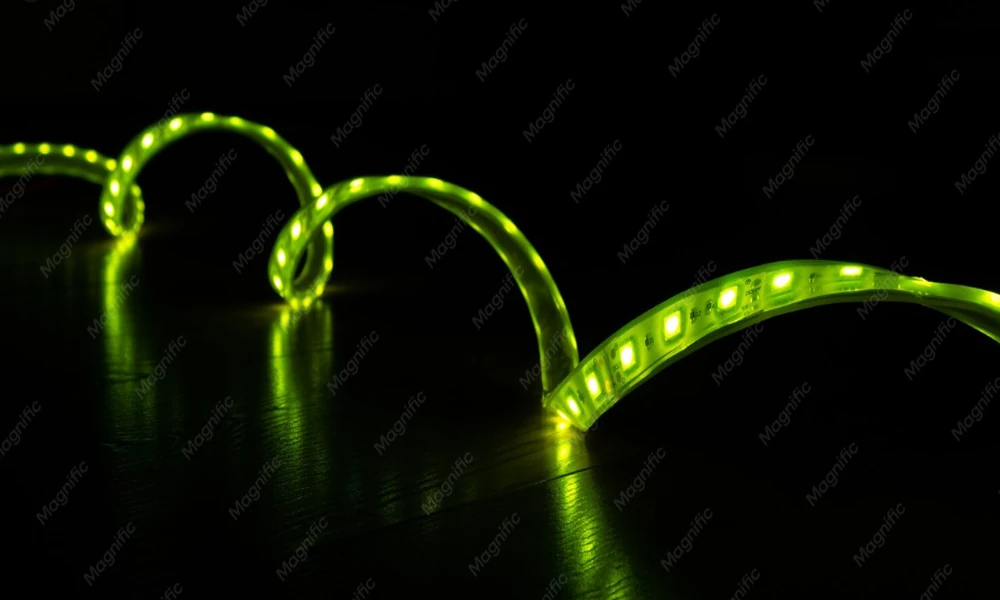
A simple lighting change can completely transform the appearance and atmosphere of a room. LED strip lighting has become an increasingly popular choice for residential, commercial, and industrial applications because of its flexibility, energy efficiency, and versatile installation possibilities. From decorative ceiling designs to functional workplace illumination, these lighting solutions offer practical advantages across different environments. Understanding product specifications, manufacturing quality, waterproof protection, and installation requirements helps buyers make informed decisions. This article explores the essential features of LED strip lighting and the factors influencing product selection.
Understanding the Growing Demand for LED Strip Lighting
LED strip lights have gained considerable attention because they combine compact construction with impressive lighting performance. Unlike traditional lighting fixtures, these flexible strips can be installed along ceilings, walls, furniture, display shelves, staircases, and architectural features. Their adaptable design makes them suitable for both decorative and functional purposes. As lighting requirements continue to evolve, businesses and consumers increasingly seek products that deliver consistent brightness, dependable performance, and convenient installation. Selecting a reliable led strip lights manufacturer is an important consideration when evaluating product quality, customization possibilities, and long-term lighting requirements.
Important Features That Define Quality LED Strips
The performance of an LED strip depends on several technical characteristics, including LED density, voltage compatibility, circuit board construction, adhesive quality, and cutting flexibility. A well-designed product should provide consistent illumination while allowing convenient installation in different spaces. Higher LED density can produce smoother lighting effects, particularly in applications where individual light points should appear less noticeable. Electrical stability and suitable heat management also influence operating performance. Before purchasing lighting products, buyers should examine technical specifications carefully to ensure compatibility with the intended installation environment and electrical system.
Flexibility and Customization for Different Applications
One major advantage of LED strip lighting is the ability to customize its length according to installation requirements. Different projects may require lighting around corners, beneath cabinets, inside display units, or along extended architectural structures. Flexible cutting points make adjustments easier without replacing an entire strip. A suitable product specification includes 300 Leds/5meters;Can be cut by 3 LEDs (DC12V) or 6 LEDs (DC24V) and connect again by our accessories;With 3M adhesive tape back,easy for installation;PCB Board can be chosen from Copper or White. These features support practical installation and customization.
Why Waterproof Protection Matters in LED Lighting
Environmental conditions play an important role in determining which LED strip is appropriate for a particular project. Indoor decorative lighting may operate successfully without additional moisture protection, whereas outdoor installations, kitchens, bathrooms, and other humid environments require more careful product selection. Waterproof construction helps protect sensitive electrical components from moisture exposure and environmental conditions. Buyers comparing waterproof led strip wholesale options should consider protection ratings, sealing methods, material quality, and intended installation locations. Choosing an appropriate waterproof solution can improve product reliability and help reduce maintenance requirements over extended periods of operation.
Applications Across Residential and Commercial Environments
LED strip lighting offers considerable flexibility across multiple industries and property types. In residential spaces, these products are commonly installed beneath kitchen cabinets, around mirrors, along ceilings, and behind entertainment units. Retail businesses use them to highlight merchandise, illuminate shelves, and improve product presentation. Hotels, restaurants, offices, and exhibition spaces also incorporate strip lighting into interior designs. Outdoor applications include architectural outlines, signage, pathways, and selected landscape features. Different environments require different brightness levels, color temperatures, and protection specifications, making product selection an important part of successful lighting planning.
Evaluating Manufacturing Quality and Product Reliability
Manufacturing quality directly influences the consistency and durability of LED strip products. Important considerations include the quality of LED chips, copper circuit thickness, soldering standards, insulation materials, and electrical component selection. Reliable production processes help maintain consistent brightness and reduce the possibility of premature failures. Buyers should also evaluate available voltage options, color variations, customization services, and quality inspection procedures. A dependable led strip lights manufacturer should provide clear product specifications and technical information. These details allow distributors, contractors, and project developers to compare products more accurately before making purchasing decisions.
Choosing Suitable Products for Wholesale Requirements
Wholesale buyers generally need lighting products that balance performance, availability, and commercial value. Product selection should consider the target market, installation conditions, customer expectations, and required technical specifications. Businesses sourcing waterproof led strip wholesale products should pay particular attention to moisture protection, construction materials, packaging, and consistency between production batches. Reliable supply arrangements are equally important for distributors managing recurring orders and larger installation projects. Reviewing product samples and technical documentation before placing substantial orders can help minimize purchasing risks while supporting better inventory planning and customer satisfaction.
Conclusion
LED strip lighting continues to create new possibilities for modern illumination through flexible designs, efficient operation, and adaptable product configurations. From residential decoration to large commercial installations, selecting appropriate specifications is essential for achieving dependable results. Factors such as LED density, cutting flexibility, adhesive backing, circuit board materials, and waterproof protection deserve careful consideration. For buyers exploring manufacturing capabilities and different lighting solutions, dekingled.com provides an opportunity to learn more about LED strip products and their applications. Careful product evaluation and suitable technical selection can support successful lighting projects across diverse environments.