

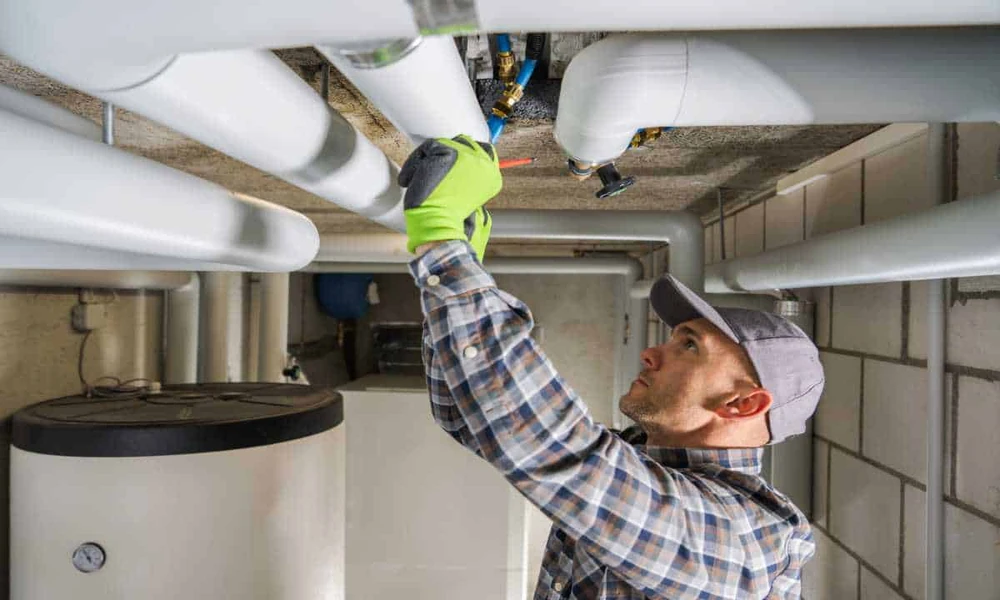
Property managers know that one overlooked plumbing issue can disrupt tenants, inflate costs, and invite code violations. This essential commercial plumbing checklist delivers practical steps to stay ahead of problems, protect building value, and keep systems running smoothly-without the guesswork.
Managing commercial properties means juggling tenant satisfaction, budgets, and compliance. Plumbing systems sit at the heart of daily operations, yet they often stay out of sight until something fails. A solid checklist helps you catch small issues early, reduce emergency calls, and maintain reliable water flow, drainage, and code compliance. Working with a trusted commercial plumbing contractor in Hampton gives you access to specialized expertise for everything from routine inspections to complex repairs and upgrades. This guide walks you through the key areas every property manager should monitor so your buildings stay efficient and problem-free.
Inspecting Water Supply and Distribution Systems
Start with the water that enters and moves through the building. Check main water lines, valves, and distribution piping for signs of leaks, corrosion, or low pressure. Look at commercial water heaters and boilers for proper temperature settings, unusual noises, or sediment buildup. Test recirculation pumps to confirm they keep hot water circulating efficiently without wasting energy. Inspect backflow prevention assemblies and schedule required RPZ testing and certification to meet local codes and protect the public water supply. Regular visual checks of fixtures, valves, and connections help you spot drips or wear before they escalate into costly water damage. Schedule preventative maintenance that includes these steps so systems stay reliable and operating costs stay under control.
Maintaining Drainage, Storm, and Specialty Piping
Drainage problems create the most visible tenant complaints. Examine floor drains, sanitary mains, and grease interceptors for clogs or slow flow. Hydro jetting and video camera inspections reveal hidden blockages or pipe damage without invasive digging. Check storm drains and storm piping for debris that could cause flooding during heavy rain. For facilities with process piping, medical gas systems, or specialized setups, confirm that lines remain clear, secure, and free of leaks. Trenchless pipe lining offers a smart option for repairing aging lines with minimal disruption to tenants and operations. Keep an eye on any trenchless work already completed and plan future upgrades when inspections show deterioration. These proactive steps limit downtime and keep drainage performing as designed.
Planning Repairs, Upgrades, and Emergency Readiness
No checklist is complete without a plan for when problems appear. Document fixture and valve conditions so replacements can be ordered before failure. Note any aging commercial water heaters, boilers, or gas piping that may need upgrading. Establish a relationship with a commercial plumbing contractor in Hampton who offers 24/7 emergency service and service agreements. These agreements often include scheduled preventative maintenance that reduces unexpected failures and keeps the site compliant. Review past repair records to identify patterns-recurring leaks in the same area usually signal a larger issue that needs addressing. Budget for planned replacements and retrofits rather than waiting for emergencies that disrupt tenants and inflate costs.
When systems need more than routine care, look for a partner experienced in design-build approaches, value engineering, and full-project coordination. This ensures repairs or upgrades align with building codes, future needs, and cost control. Regular reviews of the entire plumbing infrastructure-water distribution, drainage networks, and specialty systems-help you prioritize work and avoid surprises.
FAQs
How often should commercial plumbing systems be inspected?
Most property managers benefit from quarterly visual checks and annual professional inspections that include video camera surveys and backflow testing.
What is the best way to prevent major plumbing failures?
Scheduled preventative maintenance, prompt attention to small leaks, and regular cleaning of drains and interceptors stop most problems before they grow.
When should I call for emergency plumbing service?
Contact a qualified contractor immediately for major leaks, sewage backups, loss of water pressure, or any situation that risks tenant safety or building damage.
What to Remember
A consistent commercial plumbing checklist transforms reactive firefighting into steady, proactive management. By inspecting water supply and heaters, clearing drainage and storm systems, testing backflow devices, and planning repairs ahead of time, property managers protect tenant comfort, control operating costs, and maintain code compliance. Preventative maintenance, video inspections, hydro jetting, and timely fixture or valve replacements form the backbone of reliable performance. Partnering with an experienced commercial plumbing contractor in Hampton ensures access to specialized services-from emergency response to complex installations and upgrades-so your properties stay efficient and ready for whatever comes next. Use this checklist regularly, update it as buildings age, and keep systems running smoothly for the long term.